Categories
Sustainable Living

WHY ARE PLASTIC SHOPPING BAGS BAD FOR THE ENVIRONMENT?

There’s been a significant shift away from using plastic shopping bags.  When you go to the grocery store these days, a wide array of recyclable shopping bags are available.  This is good news and definitely a step in the right direction when it comes to protecting the earth.  But why are plastic shopping bags bad for the environment?

1. THEY POLLUTE THE ENVIRONMENT

Plastic bags are non-biodegradable.  This means that they cannot be decomposed.  As a result, they go to the dump, where they sit and become part of the pollution issue we are facing with the earth.

2. THEY ARE A HAZARD TO ANIMALS

Animals who accidentally eat a plastic bag can end up choking when it gets stuck in their windpipe or food pipe.  Likewise, plastic bags do terrible harm to our ocean life too.  Fish, turtles and marine mammals can become tangled in the plastic.  They can also eat the plastic which ultimately leads to them suffocating and drowning.

3. PLASTIC FACTORIES EMIT HARMFUL WASTE

When plastic is manufactured the waste generated is dumped into various water outlets like rivers.  As a result, our water sources become polluted and this contamination can cause health risks.

4. THEY DEPLETE OUR FOSSIL FUELS

Most plastics are manufactured from petroleum which is a non-renewable fossil fuel.  We need to protect our fossil fuels which include coal, petroleum and natural gas.  Part of protecting the earth involves protecting these non-renewable fossil fuels and using them with care.

5. THEY CAN CAUSE HARMFUL GREENHOUSE GASES

When you burn plastic it releases harmful greenhouse gases into the air which is detrimental to our environment.

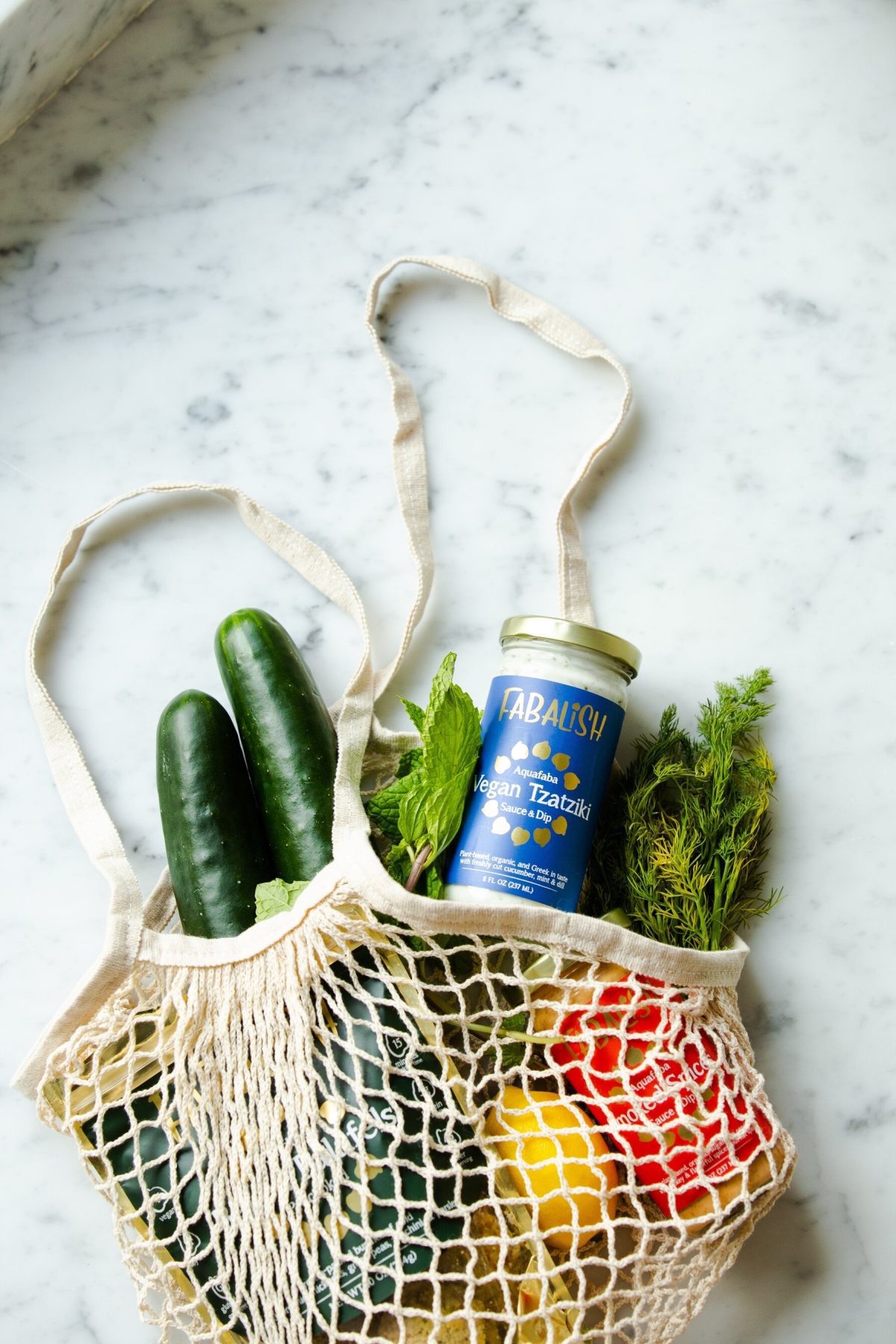
As you can see using plastic shopping bags is an important issue to address when it comes to protecting our environment.  And we can all play our part by simply using material shopping bags or ones made of recyclable materials.  

It’s such a simple decision, yet it will have a powerful impact on our environment!

Contact us today for water filtration, and solar energy quotes!

Categories
Sustainable Living

SUSTAINABILITY PRACTICES YOU CAN DO AT HOME

We hear so much about being green and sustainable living.  At every turn, we are encouraged to pursue sustainable living.  Did you know that there are some simple sustainability practices you can do at home? Read on!

Let’s start firstly by looking at exactly what we mean when we talk about sustainable livingSustainable living simply means being aware of how we live and the impact we have on our environment.  It means living in such a way that we do as little harm to the environment as possible.  

Now that we’ve defined sustainable living let’s take a deeper look at some simple sustainability practices you can do at home.

1. BUY REUSABLE ITEMS INSTEAD OF DISPOSABLE

Wherever possible buy items that are reusable.  As a result, this will help reduce the amount of waste going to the dump.  For example, instead of using plastic wrap in the kitchen, you can opt to use material bowl covers instead.  Another idea is to avoid buying disposable razors and opt for an electric razor or a non-disposable one instead. 

2. START A COMPOST HEAP

Instead of sending veggie peels to the dump start your own compost heap.  It’s a far more effective way of dealing with your food waste and it has the added bonus of providing the compost you need for your garden.  It’s such a win-win!

3. GROW YOUR OWN VEGGIES

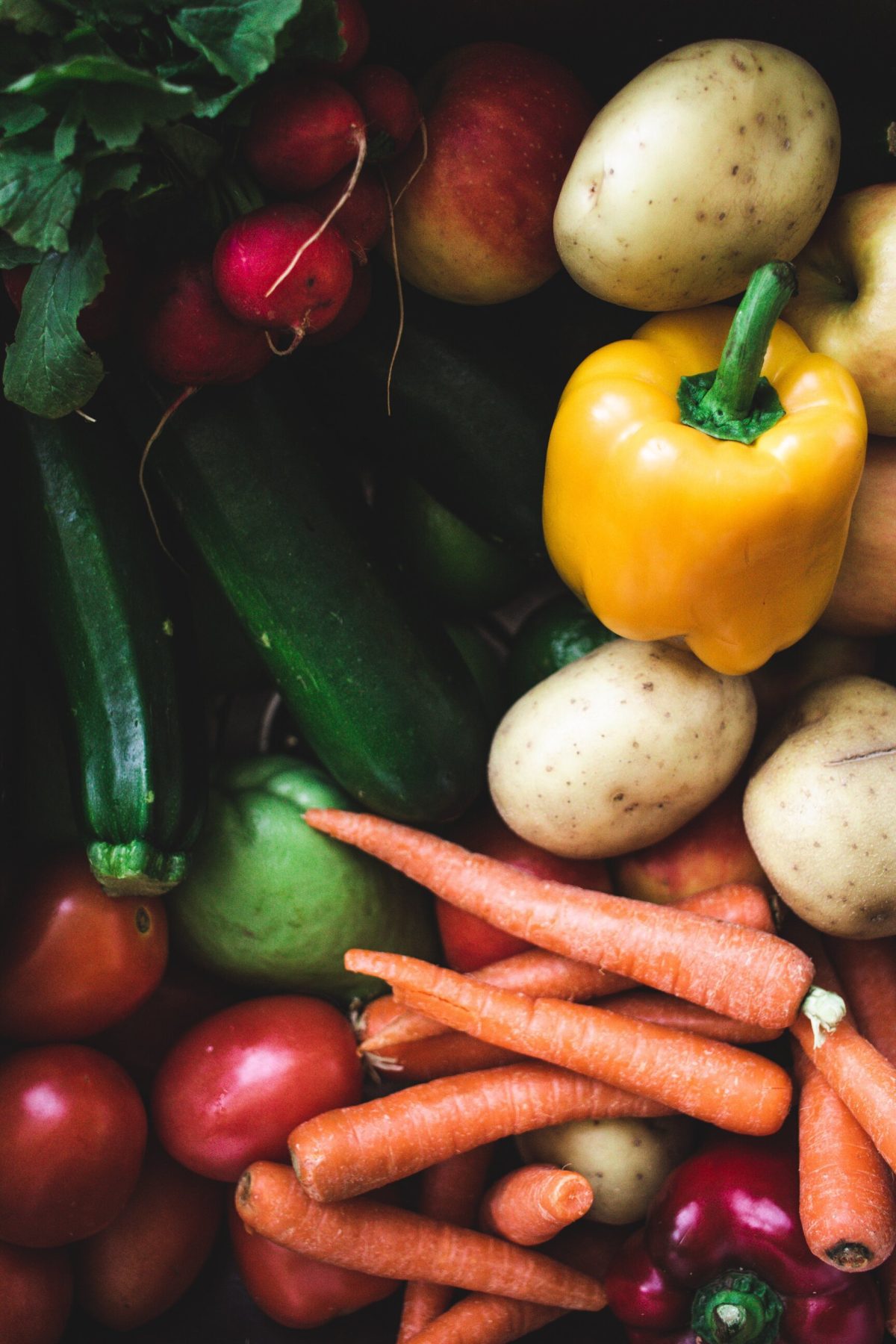
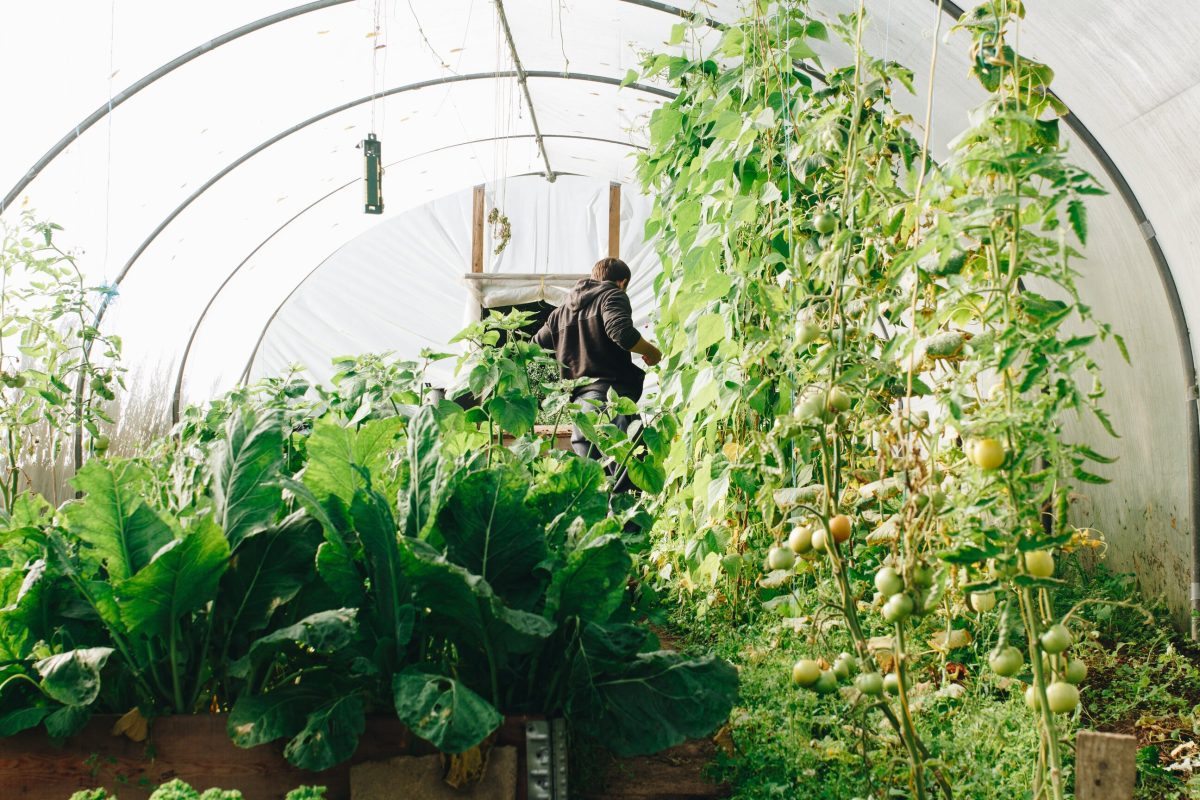
It’s not as difficult as you may think to grow your own veggies.  And there are so many great benefits to growing your own veggies. With some basic knowledge and plenty of water and care you can enjoy organic veggies straight from your own garden.  Some veggies that are pretty easy to grow are spinach, tomatoes, butternut and potato to name a few.  

And over time you will increase your knowledge and be able to expand what you grow in your own veggie garden.  It’s a fantastic way to eat healthy, organic veggies and save money on your food bill.

4. MAKE YOUR OWN CLEANING PRODUCTS

This is such a great idea for 2 reasons.  Firstly, when you make your own cleaning products you are not buying ones in plastic containers.  As a result, you are reducing the amount of plastic going to the dump.  

Secondly, many of these products contain ingredients that can be harmful to the environment.  When you make your own products you are avoiding this.

Vinegar and bicarbonate of soda make excellent cleaning agents.  And vinegar smells much better when infused with citrus peels.

5. OPT TO BUY PRODUCTS NOT WRAPPED IN PLASTIC

Wherever possible try to buy products that are not wrapped in plastic.  This can be challenging but if each one of us tries in a small way it will make a difference.  

An example of how you can do this is by choosing to buy your veggies fresh from your farmer’s market.  In this way, you are able to avoid all the plastic packaging. 

6. RECYCLE, RECYCLE, RECYCLE!

This is something we can all do.  Make it a habit to recycle and in this way, we can reduce the amount of rubbish sent to the dump.

One important thing to bear in mind is that when we recycle we need to do it properly.  This means that you must only put items into recycling that your recycling provider has specified.  Don’t add just anything to the recycling.  Only add recyclable items because if you add non-recyclable items it can contaminate everything and make it unusable.

7. BE WATERWISE

Taking care of our planet means being careful with how we use our water.  We need to make it our aim not to waste water.  A way in which we can do this is by collecting our grey water and using it to water the garden.

8. REDUCE THE AMOUNT OF ENERGY YOU USE

 With a few simple adjustments, we can all reduce the amount of energy we use.  This is important because the number of greenhouse gases going into the atmosphere from energy use has a negative impact on the environment.

Some ways in which you can reduce your energy use is by unplugging your devices when you’re not using them and using energy-efficient LED light bulbs in your house.  

As you can see there are simple, yet effective sustainability practices you can do at home. Let’s keep these in mind each day and do our best to live sustainably and care for our planet!

Categories
Veggie Gardening

HOW DO I STAY ON TOP OF WEEDS?

It’s such a joy eating fresh, organic vegetables straight from your own garden.  However, it can be a real pain trying to deal with and keep on top of weeds.  So how exactly do you stay on top of weeds?

When it comes to weeds you need both a hands-on approach and a preventative approach.  

1. WEED REGULARLY

It’s essential to stay on top of the weeds and not allow them to get out of hand.  In particular, it’s critical to pull them out before they develop flowers and go to seed and produce the next generation of weeds.  

This is your hands-on approach and will require some manual work and time in the garden. So be diligent about pulling weeds up regularly and you will save yourself a lot of work in the long run.

2. APPLY MULCH REGULARLY

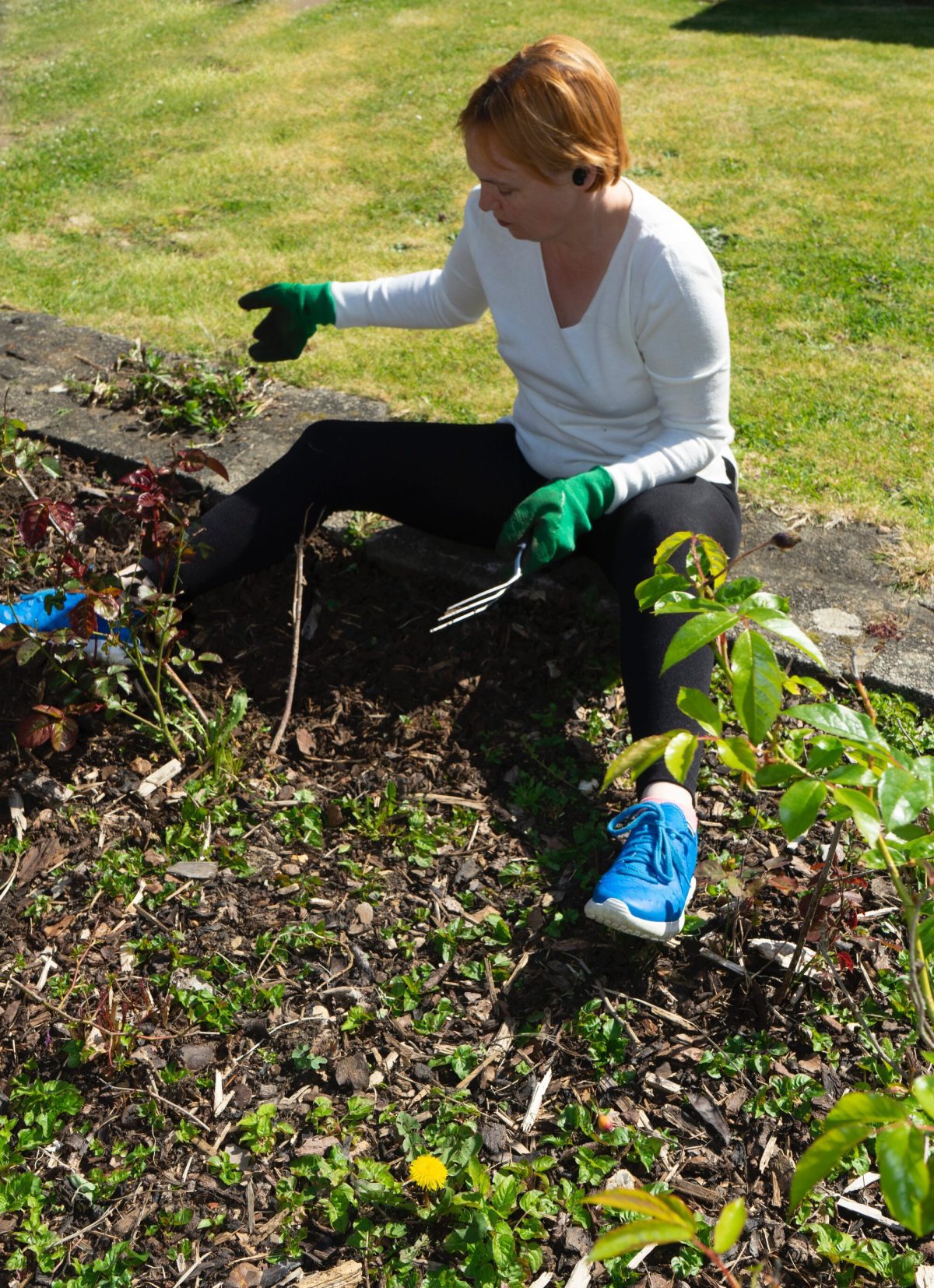
Mulch is your best friend when it comes to gardening.  Mulch is so effective in blocking the sunlight weeds need to thrive and consequently, they will die off. 

When it comes to mulch a key factor to note is that you need to apply a layer that is thick enough.  If it’s too thin then it won’t help hold the weeds at bay.  As a result, you need to ensure that you apply a layer of mulch that is at least 5cm in thickness.

You can buy mulch from your local nursery.  Alternatively, you can also use bark chips, grass clippings, dried leaves or straw.

Applying mulch generously and regularly is the most effective preventative approach you can take to control weeds.

A veggie garden is such a joy.  Aside from being a relaxing hobby, it’s also an excellent way to cut costs on food.  In addition, it’s the best way to eat fresh, organic veggies at a fraction of the cost of what you will pay in the shop.

Happy gardening!

Contact us today for water filtration, and solar energy quotes!

Categories
Uncategorized

WHERE DO I START WITH VEGGIE GARDENING?

It’s so rewarding growing your own veggies! As such, it’s more than worth it to invest the time and effort into establishing your own veggie garden.  We’ve looked at the benefits of having a veggie garden in our previous blog but you may be wondering, “Where do I start with veggie gardening?”  Read on!

1. PREPARE YOUR PLANT BEDS

Before you start planting you need to prepare your plant beds.  It’s crucial to prepare them well because healthy plants need soil with enough nutrients.  They need living soil.  And this is provided through the way in which you prepare your beds.

There are different ways in which to prepare your plant beds:

SINGLE DIGGING

This involves turning the soil over to a depth of 30cm.  However, this method is best suited where the soil is deep and fertile and not too compacted.

DOUBLE DIGGING

Double digging means that soil is dug out to a depth of 30cm and then placed next to the bed.  The soil at the base of the bed is then loosened to a further depth of 30cm with a garden fork.  Now a layer of compost is added to the bed and any type of organic material.  Lastly, this is covered with the soil you removed and placed next to the plant bed.  This method is quite labour-intensive.  

SHEET MULCHING

Sheet mulching involves layers of mulch and organic material being placed on top of the ground.  Over time this breaks down to form beautiful, nutritious soil for your veggies.  Bear in mind, however, that this method requires time to stand before planting.  This is so that the material can break down and decompose and form the soil needed for your plants.

Before you begin the layering process be sure to thoroughly water the soil where you plan to make your bed.  Once this is done cover the area with cardboard or newspaper.  Be sure to cover the area thoroughly and use a thick layer of cardboard and newspaper (even up to 8 layers) to ensure no soil is sticking out.  This is to make sure weeds are not able to grow through this layer.

Now add a layer of brown mulch.  This should be about 10cm thick.  Brown mulch refers to shredded bark, wood chips, twigs, sticks and dried leaves.  

Now add a layer of green mulch (grass clippings), then a layer of brown mulch and another layer of newspaper or cardboard.  On top of this add compost and then a layer of soil.  Continue layering in this way.  

Add a layer of compost and then end off with a nice, thick layer of mulch.

TRENCHING

Trenching is similar to sheet mulching.  You layer in the same way as sheet mulching but the difference is that you need to dig a trench.

Once again you remove the top layer of soil (called topsoil) and place it next to the trench.  Dig up the bottom of the trench with a garden fork to loosen the soil.  

Now add a layer (20cm) of sticks and brown organic material and you can even add some tins.  Make sure though that the tins are not aluminium. You can test this with a magnet.  If the magnet sticks then it is tin.  

Your next layer should be cardboard and dried leaves.  To this add a layer of greens (vegetable peels, weeds).  Each layer should be 20cm.  

Add a layer of compost now and water deeply.  Then add some soil.  To this you can now add a layer of wet newspaper.  And more soil again.  

Continue layering in this way and finally end off by adding your layer of topsoil.  To this add a layer of compost and finally apply a layer of mulch.

As you can see preparing your garden beds must be done thoroughly to ensure you have living, nutrient-rich soil for your plants.  This is important to keep them flourishing and to get a good harvest.

2. PLANTING

Once your plant beds are prepared you can start planting.  You can choose to plant seeds or seedlings.  There are pros and cons to both, however, remember that if you choose seeds, always buy organic or heirloom seeds.  This way you will be able to harvest the seeds from your plants to replant.  You are not able to do this with hybrid seeds.

It’s also important to choose what to plant according to a planting chart.  A planting chart will show you which vegetables to plant in which months of the year.  A helpful planting chart can be found here.

3. REGULAR WATERING

Your veggie patch can not thrive without regular watering.  When it comes to water it’s important to remember to water early in the morning or in the evening.

In addition, it’s important to water for a longer period of time to allow the water to really soak down deep into the soil.  

4. WEEDING

It’s important to keep on top of the weeds.  A tip to remember is that you need to weed regularly.  Also, be sure to pull the weeds up before they go to seed and produce the next generation of weeds.

Another excellent tip to remember is that mulch is your best friend when it comes to weeds.  Applying a thick layer of mulch (at least 5cm) ensures that the weeds don’t get sun and consequently aren’t able to grow.  

It will take a bit of prep getting your veggie garden up and running but it’s absolutely so worth it! 

Categories
Water Filtration

DO I NEED WATER FILTRATION FOR MY BOREHOLE WATER?

A borehole has many great benefits!  In particular, it’s an excellent way to save money on your water bill.  If you have a borehole you may be wondering if you need water filtration for your borehole water.  Let’s take a deeper look at this question.  

The need for water filtration depends on what you will use your borehole water for.  It will also depend on what’s in your water. This will need to be determined by a water analysis test.  

In general, if you are using it to simply water your garden then you may not require water filtration.  If you intend to use it inside your house then you will definitely need water filtration.  

The first step after drilling a borehole is to have your water tested.  This can be done through Bemlab which is associated with Pathcare.  You will need to provide them with a water sample. This will then be tested.  Once you receive your analysis a water filtration system can be designed to address your needs.

Let’s take a look now at the benefits of water filtration:

  • You will have safe drinking water.
  • Your drinking water will be pleasant tasting.
  • It’s good for your health to drink pure, filtered water.
  • It can help you save money.
  • It will help you protect your plumbing and appliances.
  • It’s environmentally friendly.
  • It helps prevent skin irritations.

Water security is such a crucial factor to consider, especially living in South Africa.  It’s exhausting and stressful dealing with regular interruptions to our Council water supply which can often last for days. 

Additionally, Council water can also become pricy particularly when you use it to water your garden.   As a result, it’s wise to explore options for water security and water filtration.

Contact us for a water filtration quote today!

Categories
Veggie Gardening

THE BENEFITS OF GROWING A VEGGIE GARDEN

Starting your own veggie garden is easier than it seems.  And once it’s established, you will enjoy delicious, fresh, organic veggies straight from your own garden!  That’s such a win-win.  Let’s look now at the benefits of growing a veggie garden.

1. IT’S GOOD FOR YOUR HEALTH

Eating garden-fresh, organic veggies is excellent for your health.  When you grow your own veggies, you can know that what you are eating is pesticide-free. 

In addition, because you add compost to your soil you can be sure that your soil is living soil, chock full of nutrients that will be absorbed into your body.

Working in your garden also exposes you to vitamin D which increases your calcium levels.  This strengthens your bones and immune systems.

2. YOU GET EXERCISE

A veggie garden will need regular weeding and tending.  Working in your garden is an excellent way to give your body some gentle exercise.  This is also a significant health benefit!

3. YOU CAN SAVE MONEY ON YOUR GROCERIES

You can save money on your grocery bill by growing some simple basics in your garden.  Veggies like tomatoes and spinach grow with minimal effort and herbs like basil and rocket grow easily too.  

4. IT’S AN EXCELLENT STRESS-RELIEVER

There’s no better way to lift your mood than to work outside in your garden in the warm sunshine.  It’s a time when you can release stress and feel rejuvenated again.

5. YOU ELIMINATE THE NEED FOR PLASTIC WRAPPING

Eating veggies fresh from your garden means you eliminate the need for the plastic packaging used with store-bought veggies. This is a real bonus when it comes to protecting the earth and living in a sustainable way.  We need this now more than ever considering the state of the earth.

There are so many benefits to growing your own veggies.  Why not consider starting your own veggie garden today?

Contact us today for water filtration and solar energy quotes!

Categories
Solar Power

HOW MUCH HOT WATER CAN A SOLAR GEYSER PROVIDE?

Solar power is absolutely the way to go these days.  The constant load-shedding we are dealing with on a daily basis makes it an absolute necessity now.  In addition, in terms of protecting the earth, it’s critical that we make the shift over to solar.  If you are considering a solar geyser the question may have crossed your mind, “how much hot water can a solar geyser provide?”  Read on!

“Depending on the climate and type of solar geyser you have, a solar geyser can provide between 50% – 90% of your hot water needs”.

A solar geyser uses the energy from the sun to heat your water.  Solar energy is absorbed by your solar panel connected by pipes to your hot water cylinder.  

HOW IS THE WATER HEATED?

A solar geyser heats the water by means of convection. The water circulates through the system because of the warm water rising.

The water stored in the panels starts to heat up. As it does, it rises into the water tank on the roof or in the ceiling. From here it moves into the cylinder.

Thereafter the cooler water in the tanks flows down into the absorber. As a result, the water is heated and circulated through convection.

Installing full solar power for a house is expensive, however, most people find it possible to budget and save for a solar water geyser.  You can save substantial money on your electricity bill by using a solar geyser and that makes it so worth it!

A solar geyser is an excellent investment! It brings so many benefits.

THE BENEFITS ARE AS FOLLOWS:

  1. You don’t need to rely on electricity
  2. The energy used is renewable, free, and unlimited
  3. Immense savings on your electricity bill
  4. It heats the water very efficiently
  5. It’s environmentally friendly
  6. There is no use of fossil fuels
  7. It has zero-emission
  8. It provides a lower carbon footprint
  9. It is low-maintenance

As you can see, a solar geyser provides amazing benefits and is well worth the investment!

Why not consider investing in your own solar geyser today?

Contact us today for water filtration and solar energy!

Categories
Water Filtration

7 BENEFITS OF WATER FILTRATION

Water is absolutely one of the essentials of life.  The drought of recent years in South Africa has reinforced this in a strong way.  Consequently, we all have a greater appreciation for water now.  In addition, water filtration has also become increasingly popular.  But what exactly are the benefits of water filtration? There are 7 benefits of water filtration. Read on!

1. SAFE DRINKING WATER

You will have peace of mind that the water you are drinking is pure and that the levels of the chemicals used to treat it are at acceptable levels.  This is invaluable because drinking clean water is essential for good health.

2. PLEASANT-TASTING DRINKING WATER

There’s nothing worse than drinking water that doesn’t taste or smell good.  Contaminants affect the taste and smell of your water.  As a result, filtering your drinking water means that you will have fresh, tasty drinking water.  

3. HEALTHY COOKING

Water is an essential ingredient when cooking.  Using clean, pure filtered water when cooking means you are able to produce healthy food that tastes good too.

4. YOU CAN SAVE MONEY

When you don’t have water filtration, you end up spending money on buying bottled water for drinking.  This adds up over time and you can end up spending quite a bit on buying water.  By installing water filtration you will end up saving money in the long run.

5. PROTECT YOUR PLUMBING AND APPLIANCES

The chemicals found in unfiltered water can cause damage to your plumbing pipes and can even affect your appliances.  In particular, copper pipes can be corroded by water with high iron leves.  As a result, they will need to be replaced at some point which will be expensive.  

Water filtration will help protect your plumbing and appliances and save you expenses over the long run.

6. IT HELPS PROTECT THE ENVIRONMENT

As mentioned above, buying bottled water is often the alternative in households where there’s no water filtration.  However, this is not an environmentally friendly option.  All those plastic bottles pile up at the dump and just cause the earth to become clogged and polluted with too much plastic.

7. HELPS PREVENT SKIN IRRITATIONS

So many people struggle with itchy skin and skin irritations caused by the chemicals in tap water.  Having water filtration and using filtered water protects your skin from potential irritations.

There are so many excellent benefits to having water filtration.  The greatest one of all is that you will be drinking clean, pure water which is essential for good health.  

Contact us today for all your water filtration and solar energy quotes!

Categories
Compost heap

TIPS FOR BUILDING A THRIVING COMPOST HEAP

The Green Revolution is all about encouraging people to live in such a way that we protect the earth. One of the key ways in which we can do this is in how we deal with our waste. A simple, yet very effective idea is to start a compost heap rather than throw your kitchen scraps in the bin. And it’s pretty simple to do too.  Here are some important tips for building a thriving compost heap that you need to know.  

WHAT CAN I PUT IN MY COMPOST HEAP?

Before you decide to establish your own compost heap let’s take a closer look at what you can put in the compost heap. 

When it comes to compost you get green material and brown material.  The green material (like grass clippings) is rich in nitrogen while the brown material (like wood, brown leaves, and cardboard) is carbon-rich.  You need to keep a good balance between these types of materials.  This way it will break down effectively into a deep black compost.

All kitchen scraps can be added to your compost heap with the exception of the following items. These should NOT be added to your compost heap:

  • Cooked food
  • Diseased plants and weeds
  • Dog and cat faeces
  • Cooking oil
  • Meat and fish products
  • Dairy products
  • Citrus 
  • Onions

A THRIVING COMPOST HEAP NEEDS CARBON (BROWN) AND NITROGEN (WET)

Adding kitchen scraps daily to your compost heap is a good start.  But what you really need is for that organic matter to decompose.  For this to happen, you need both carbon and nitrogen in your compost heap as mentioned above.  Some of the items you add to your compost will be higher in carbon and some will be higher in nitrogen.  Generally speaking, wetter items (eg: veggie peels) are higher in nitrogen and drier items (eg: egg cartons) are higher in carbon.

It’s critical to try to keep a good balance between your carbon and nitrogen.  A good, simple rule of thumb is to aim for a 50:50 ratio between the green and brown material you add to your heap.  This will enable the material to decompose effectively.

Aside from this, it’s important to keep your compost heap moist but not too wet. You will also need to turn the compost regularly.

Ultimately though, it’s so worth it to establish your own compost heap. It’s an excellent way to deal with your kitchen waste while producing beautiful, rich compost which will help your garden flourish! And best of all, it’s an earth-friendly way to deal with your kitchen waste.

Categories
Solar Power

WHAT ARE THE BENEFITS OF SOLAR POWER?

Solar power harnesses the energy of the sun and converts it into electricity.  It’s an option that more and more people are investigating these days.  The constant load-shedding in South Africa has left many people desperate and willing to explore and invest in solar power.  But what exactly are the benefits of solar power?

1. IT TAKES THE STRESS OUT OF LOAD-SHEDDING

Load-shedding has been part of our lives for a number of years in South Africa.  However, the stress of it has only escalated.  We all know the stress and frustration of trying to navigate our lives around load-shedding schedules.  In particular, it’s very trying to deal with appliances that don’t work, having no access to the internet and sitting in darkness.

However, with Solar power, there are now alternatives.  And this is excellent news for us as South Africans.  Even for those on a tight budget, there are an array of products available that can at least alleviate some of the stress of load-shedding.  

2. SOLAR POWER IS ENVIRONMENTALLY FRIENDLY

This is such an important benefit of solar power.  We all know that the earth is in a desperate state.  As a result, it’s up to each one of us to do all we can to protect the earth and our natural resources.  

Burning coal for electricity damages our environment because it releases carbon dioxide into the atmosphere.  This has detrimental effects on climate change.  By contrast, solar power is sustainable and it’s a renewable resource which does zero damage to the environment. As a result, it’s a complete win-win!

3. IT SAVES YOU MONEY ON YOUR ELECTRICITY BILL

There is an initial financial outlay to set yourself up with solar power.  However, you will save money by not paying a monthly electricity bill. As a result, the money you lay out initially can be recouped over time.

We have all watched with rising horror how the price of electricity just keeps soaring.  And it’s not set to stop anytime soon.  Consequently, people are being forced to look into alternative sources of power.  

So many people are feeling the pinch these days.  Therefore, any savings on an electricity bill are well worth it.  As a result, it’s absolutely essential to consider investing in Solar power.  

4. IT INCREASES THE VALUE OF YOUR PROPERTY

Potential buyers will definitely be more attracted to buying a property equipped with Solar power.  They will be drawn by the benefit of saving money each month on their electricity bill and having a tool to combat load-shedding.  This is huge and cannot be overstated.  As a result, if you decide to sell your property, having solar power will really make the property stand out to potential buyers.

5. BUSINESSES WITH SOLAR POWER CAN GET TAX DEDUCTIONS

SARS provide tax incentives for businesses with solar power.  By means of this incentive, business owners are allowed to deduct the cost of their solar power system from their profits.  This is a tremendous incentive and one many people may not be aware of.   As a result, whether you have business premises or work from home this is a great benefit.

6. IT REQUIRES LITTLE MAINTENANCE

Installing solar panels is fairly simple.  Additionally, once they are up there is very little maintenance required.  This is because the batteries will usually last for a long time.  As a result, once you have paid for the initial set-up for solar power, there are no recurring costs thereafter.  Consequently, this makes solar power an excellent investment.

7. SOLAR POWER IS SUSTAINABLE ENERGY

Sustainable energy means that the energy source can not run out. It can never be depleted and is renewable.  Consequently, because solar power relies on energy from the sun it is sustainable. This is important because the best way to protect the earth is to choose sustainable options wherever possible.  

As you can see there are many benefits to installing solar power.  Right now in South Africa as we struggle with constant load-shedding the one ray of hope we have is going solar instead of relying on Eskom.

Contact us today for solar energy and water filtration quotes!