Categories
Uncategorized

WHAT IS AQUAPONICS?

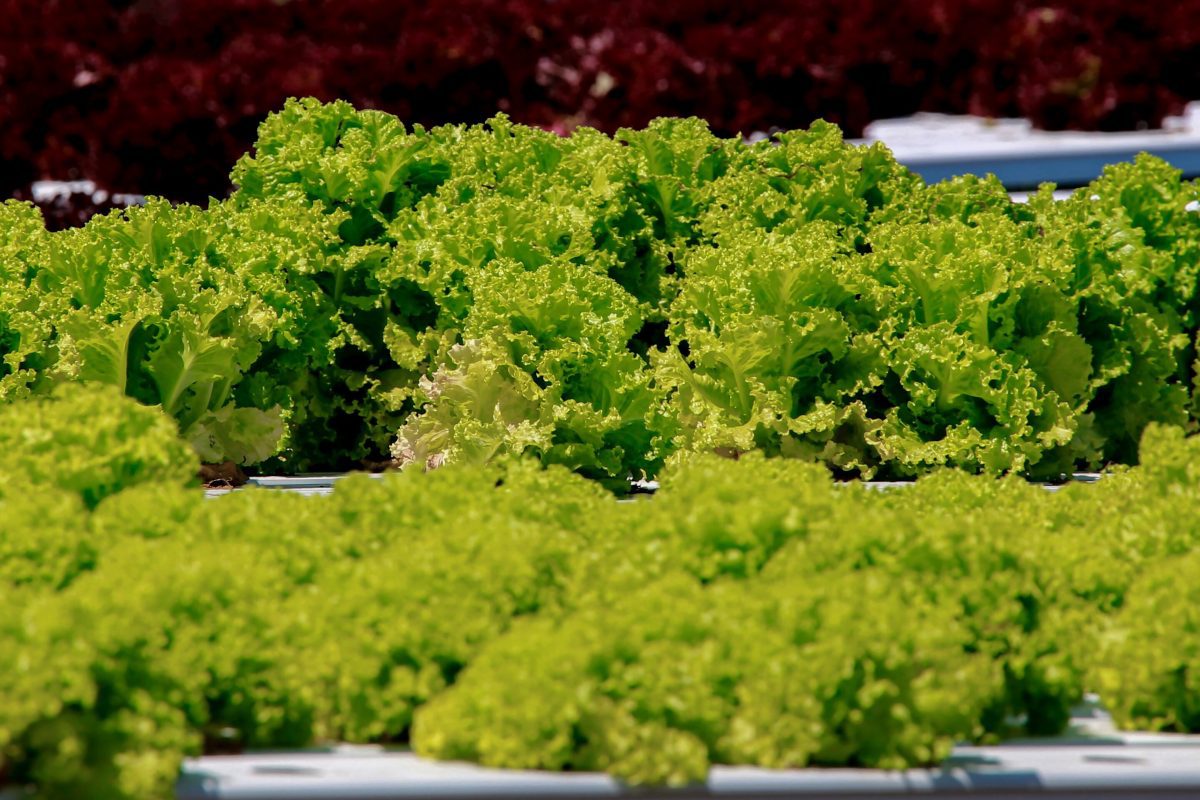
When you think of growing veggies you often think of growing them in soil.  But you can grow veggies in other ways too.  We’ve looked at hydroponics which involves growing plants in water but you can also grow them with aquaponics. So what is aquaponics? Read on!

Aquaponics is a way of growing plants in water with the help of fish.  There is a symbiotic relationship between the fish and plants.  The fish provide the nutrients the plants need and in turn, the plants clean the water for the fish.

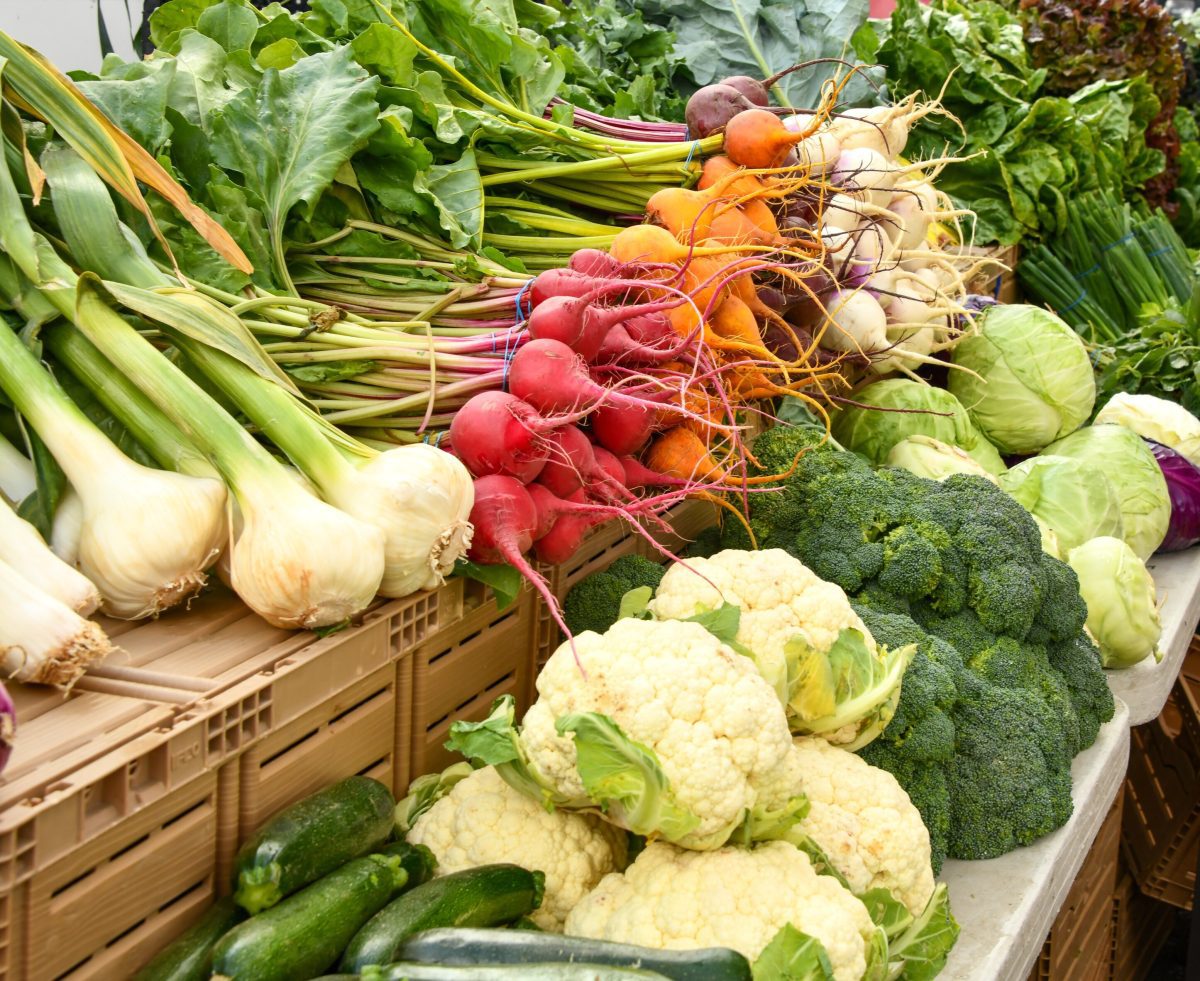
Aquaponics is suitable for some types of vegetables.  However, not all veggies grow well this way.  The following are some of the most popular and easy-to-grow veggies and herbs with aquaponics:

  • Tomatoes
  • Leafy lettuce
  • Watercress
  • Peppers
  • Cucumbers
  • Cauliflower
  • Cabbage
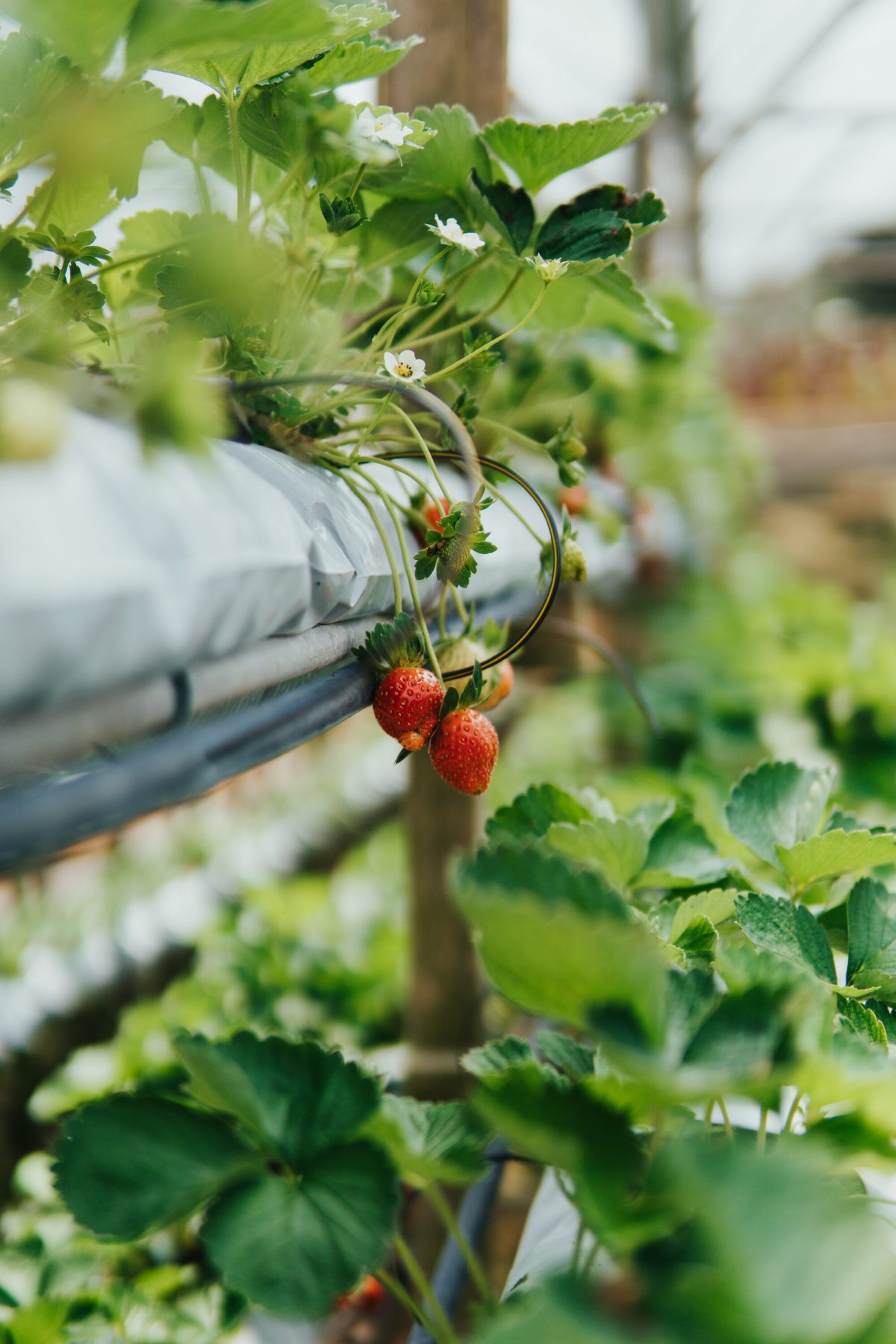
  • Strawberries
  • Ginger
  • Basil
  • Kale
  • Beans
  • Egg plant

Let’s look at the pros and cons of Aquaponics.

THE PROS

  • It is water-efficient
  • It is pesticide free
  • It’s environmentally friendly

THE CONS

  • The initial set-up cost for the system can be expensive depending on the type of system you install
  • You can be limited in what you’re able to grow
  • Electricity consumption can become pricy

As you can see, this way of growing veggies comes with both pros and cons. However, it is an effective way to grow veggies and well worth exploring.

It’s important to note that different systems can be designed for aquaponics. However, every system will need 3 essential components. These are fish, plants and bacteria. In addition to this you will also need: a fish tank, grow bed, pumps and plumbing.

It’s becoming increasingly important to live in self-sustaining ways that are environmentally friendly.  Growing your own veggies is a good step towards being self-sustaining.  And it’s so good for your health to eat organic food too! A real win-win!
Categories
Veggie Gardening

4 CONS OF HYDROPONICS

Hydroponics is a way of growing plants without soil.  Instead, they are grown in water.  It’s an effective way to grow plants that comes with both pros and cons.  We covered the pros in last week’s blog, now we are going to look at 4 cons of hydroponics.

1. TIME-CONSUMING

Hydroponics can take a fair amount of time.  When you plant in soil nature and the soil provide all that the plants need. By contrast, with hydroponics, you control the plants’ entire environment and have to meet all the needs. The water has to be replaced regularly and the plants need to be continually monitored.  As a result, it can become time-consuming.

2. IT REQUIRES SOME EXPERTISE

Hydroponics farming needs a variety of equipment. Some of the equipment needed includes containers, high-quality lighting, and a timer. You need to know how to use these so that your plants will flourish.  Even little mistakes with the equipment can lead to your plants dying. As a result, it’s critical that you know and understand how to use the equipment and techniques associated with hydroponics.

3. YOU NEED AN UNINTERRUPTED ELECTRICITY CONNECTION

Hydroponics requires both water and electricity. Therefore you need to ensure that you have both. In particular, you must ensure that you have a stable electricity supply.  You can’t have any interruptions to your electricity as it will cause the plants to die.

In South Africa, with load-shedding, we have issues with a stable electricity supply. As a result, if you are planning to set up a hydroponics system you will need to look into alternative ways to generate electricity. You will need to research and find the best solar options to ensure that you will have a continual electricity supply. And in particular, you will need to ensure you have a backup electricity option.

4. IT CAN BE PRICY

Due to the equipment required for hydroponics, it can be expensive to run a hydroponics system.  In addition, you will also need to buy good quality nutrients which will also add to the price.

Now that we’ve looked at the 4 cons of hydroponics it’s important to not become discouraged. Hydroponics is a wonderful way to grow plants and these challenges can be overcome. So don’t be put off.  Keep learning about hydroponics and take whatever steps you can towards it.  It’s a great way to grow veggies!

Categories
Sustainable Living Veggie Gardening

THE PROS OF HYDROPONICS

Hydroponics is a way of growing plants and veggies without the use of soil.  Instead, the plants grow in water that has nutrients added to it. This method of growing veggies comes with both pros and cons.  In today’s blog, we’re going to look at the pros of hydroponics.

1. NO SOIL IS NEEDED

Plants are grown in water with hydroponics. As a result, this is a real advantage if you don’t have land or space to plant veggies in soil.

2. YOU CAN GROW VEGGIES ANYWHERE

With hydroponics, you can grow veggies anywhere, even on the balcony of a flat.

3. YOU CAN GROW MANY PLANTS IN A SMALL SPACE

When you grow veggies with hydroponics the roots of the plants don’t need to spread out to find nutrients.  They get it directly from the water they are suspended in.  As a result, you are able to grow many more plants in a smaller space.

4. CONTROL OVER THE CLIMATE

You can grow your crops year-round despite the changing seasons with hydroponics.  This is because you have equipment with hydroponics that can adjust the temperature, regulate the brightness of the light and control the humidity levels.  You can adjust as needed. 

5. IT CAN SAVE YOU WATER

Despite the fact that you grow plants in water, you actually end up saving water with hydroponics.  This is because you only use around 10% of the water as compared to plants grown in soil. The way it works is that the plants absorb the water they need. The rest of the water is directed back into the system. As a result, water is only lost through evaporation and leaks in the system.

6. EFFECTIVE USE OF NUTRIENTS

With hydroponics, nutrients can be added to the plants in an effective way. You can monitor what nutrients are needed and then add those to the water. In this way, the plants receive exactly what they need when they it.

7. ACCELERATED GROWTH RATE

Hydroponics allows you to control your plant’s environment completely. You are able to regulate factors like temperature, humidity and nutrients. As a result, your plants are now growing in ideal conditions and therefore they have an accelerated growth rate.

8. NO WEEDS

Ask any gardener what they hate when it comes to gardening, and you will hear about weeds. So it’s a real bonus to know that with hydroponics you will not be fighting with weeds as you grow your veggies. This is because weeds are only an issue with soil. Because you are growing your crops in water weeds will not be an issue.

9. FEWER PESTS AND DISEASES

Growing veggies by means of hydroponics means that you will deal with fewer pests and diseases. Because you are growing your veggies in water and not soil you will not struggle as much with pests and diseases. This is because you are growing your plants in a closed, carefully controlled environment.

10. FEWER INSECTICIDES ARE NEEDED

As we know, hydroponics doesn’t use any soil. As a result, as mentioned above there are fewer pests and diseases to work with. Consequently, you won’t have much need for insecticides. This is good news because it means you will be able to grow organic, healthy clean food.

As you can see, there are some incredible pros of hydroponics. However, as with everything in life, there are also cons. We will explore these in our next blog.

More and more people are moving towards living in more self-sustaining ways. It’s definitely a journey and not something that happens overnight. However, it is something we can all pursue to whatever degree we’re able. It’s worth it and we’re here to assist you in this journey!

Contact us for water filtration and water tank quotes!

Categories
Sustainable Living Veggie Gardening

WHAT IS HYDROPONICS?

For those pursuing off-grid living growing your own veggies is absolutely essential.  When it comes to growing veggies we often only think of growing them in soil.  However, there are other methods of growing veggies. One of these methods is hydroponics.  But what is hydroponics? Read on!

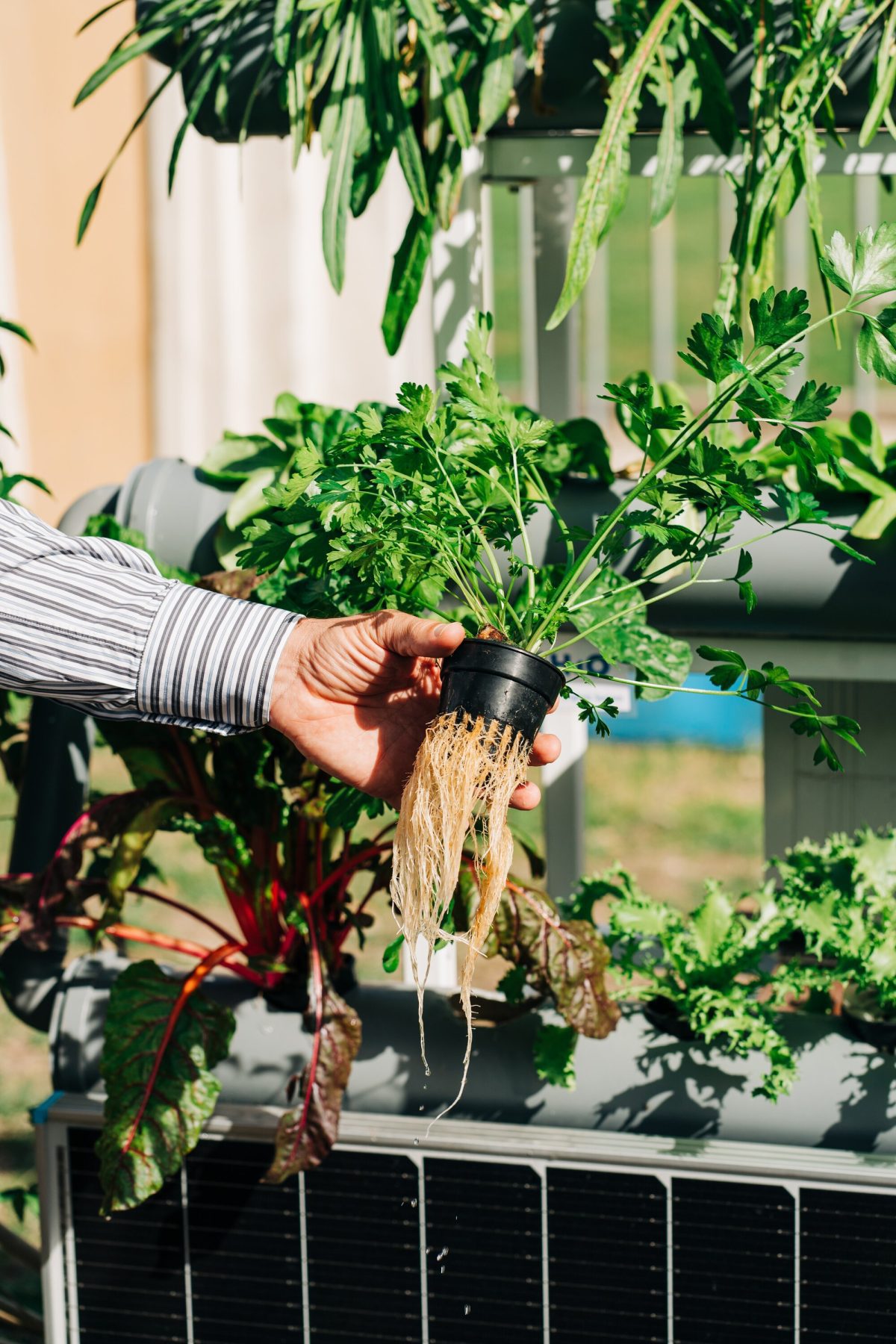
Hydroponics is a way of growing plants in water enriched with nutrients.  The word “hydroponics” comes from ancient Greek with “hydro” meaning water and “ponics” meaning labour. Instead of soil, organic substances like vermiculite, coco coir or perlite are placed in the water for the plants to root in.  As a result, with hydroponics, the water does the work by providing the nutrients that help the plants to grow more quickly.

More and more people are looking into ways to become more self-sustaining in how they live.  Particularly in South Africa, it’s becoming increasingly important to become more self-sustaining.  Our energy crisis and the constant droughts are forcing us to move in this direction.  As a result, many people are now investing in solar, water filtration and food gardens.

A simple step we can all take towards this is to grow our own veggies.  One of the greatest rewards of this is that you will be eating fresh, organic food.  In addition, you will also save money because it can become pricy to buy organic veggies from the shop.  

Contact us for water tanks and water filtration quotes!

Categories
Sustainable Living Water Filtration Water tanks

HOW LONG WILL A WATER TANK LAST?

One of the key elements to off-grid living is to have your own water source.  Collecting rainwater is one way to do this.  As a result, water tanks are an important investment.  But just how long will a water tank last?

As a general rule of thumb, a water tank should last for around 10 years.  Because it lasts for such a long time it provides excellent value for money.  

Depending on what you will use your water for, you may need water filtration. This particularly applies if you want to use your water inside the house.  This is because unfiltered water can damage appliances like your washing machine and dishwasher.  

And if you are wanting to drink your water then it will definitely require water filtration to make it safe for consumption.

As a result, you will need to take a water sample and have it tested.  Thereafter, a water filtration system will be designed to address the issues with your water.

Living off-grid means that you will need to have your own water source and power supply.  Consequently, you will need to have water tanks to harvest rainwater and also to store water if you have a borehole.  So water tanks are a key investment if you are trying to live in a more self-sustaining way. 

Those of us living in South Africa understand clearly the need to live in a more self-sustaining way particularly with the fear of a drought hanging over us and the energy crisis we face.

As a result, we are now looking at ways to be more self-sustaining. This may be through installing solar panels, water tanks, investing in water filtration or even exploring alternative sources of water like boreholes.

Whichever way now, we are all purusuing this in whatever capacity we can. And we at the Green Revolution are here to help you in this journey however we can!

Contact us for water filtration quotes!

Categories
Uncategorized Water Filtration

WHAT IS REVERSE OSMOSIS?

It’s essential to have access to clean drinking water.  This is especially true for off-grid living. As a result, it’s crucial to consider water filtration. When it comes to water filtration reverse osmosis is often a popular choice.  But what is reverse osmosis?  Read on!

Reverse osmosis is a water filtration technique. It will generally remove iron, salt, minerals, and harmful bacteria from your water. It does this by forcing the water through a semi-permeable membrane under high pressure. As a result, only water molecules are able to pass through. Consequently, everything else is restricted from passing through the membrane.

WHAT TYPES OF MEMBRANES ARE USED IN REVERSE OSMOSIS?

There are 3 types of membranes that are used in reverse osmosis. These are:

  • A Tap water membrane
  • A Brack water membrane
  • A Desalination water membrane

For normal household filtration, either a tap water membrane or a brack water membrane should be effective.

As an additional measure, the water should also be treated by chlorination or UV lights. This is to prevent the spread of harmful bacteria.

If you are moving towards off-grid living then securing a clean source of drinking water is essential.  Many people consider drilling a borehole when they think about off-grid living.  This is an excellent first step however, hand in hand with this goes water filtration

Let’s take a look now at the benefits of water filtration.

  • Safe and clean drinking water
  • Pleasant-tasting drinking water
  • Healthy cooking
  • You can save money
  • Protect your plumbing and appliances
  • It helps protect the environment
  • It helps prevent skin irritations

Water filtration comes with some great benefits. You will need to take a water sample and have it water tested. Thereafter a water filtration system will be designed according to your needs.

Contact us today for a water filtration quote, Cape Town!   

Categories
Water tanks

HOW MUCH RAINWATER CAN BE HARVESTED FROM MY ROOF?

The seasons are changing and we are steadily moving towards Winter now.  In Cape Town, that means we enter our rainy season.  As a result, it’s the optimal time to begin to collect rainwater.  But if you have a water tank and are hoping to collect rainwater you may wonder how much rainwater can be harvested from your roof.  Read on!

As a general rule of thumb, 1mm of rain collected on 1m² of your roof surface will give you 1 litre of water.  

This simple formula will help you to know how to calculate how much rainwater can be harvested.

Rainwater harvesting is an excellent way to save water and to save money.  It’s also a critical component of off-grid living.  

One of the most important first steps towards off-grid living is to have an independent water source. Investing in some water tanks and setting them up to collect rainwater is an effective move toward water security for off-grid living.

The water you harvest can then be used for outdoor and indoor use. And depending on how you decide to use it you will need to consider water filtration, particularly if you plan to drink the water.

If you don’t yet have a water tank and are not harvesting rainwater, then this is the best time to get one and start preparing for the winter rains.

The benefits of rainwater harvesting are as follows:

BENEFITS OF HARVESTING RAINWATER

  • It provides you with an independent water supply
  • Cuts down costs on your water bill
  • Rainwater can be used for your irrigation
  • You can fill your pool with rainwater
  • Saves potable rainwater
  • It can be used for drinking water once treated
  • Can be used for indoor use once treated (eg: flushing toilets)

As you can see rainwater harvesting has so many excellent benefits!  And it’s something we can all do quite easily. 

Contact us today for water tanks, water filtration and solar energy quotes! 

Categories
Pumps

WHAT IS A PRESSURE PUMP?

One of the most basic steps to take towards self-sustaining living is to have your own water source.  This could either be through rainwater harvesting or a borehole or wellpoint.  With either of these options, however, you will need to invest in a pump in order to access your water.  But what is a pressure pump? Read on!

A pressure pump (also known as a booster pump) is used when there is low water pressure.  It will increase the volume and pressure of your water as it moves from the water source to its outlets.

WHY WOULD I NEED A PRESSURE PUMP?

You will need it 

  • To access the water from your borehole, wellpoint and rainwater tank
  • For your irrigation system if you have low water pressure
  • To boost the water pressure in your home

It’s becoming more and more important to live as self-sustaining as possible, especially in South Africa.  We often face issues with leaking water pipes and interruptions to our council water supply. As a result, it’s becoming critical to find alternative water sources.

An excellent alternative water source can be found through Rainwater harvesting. There are some great benefits to rainwater harvesting.

RAINWATER HARVESTING BENEFITS

  • You can save money on your water bill
  • It’s an excellent backup to Council supply
  • It helps conserve our water supply

Rainwater harvesting is an excellent way to have an independent water source. It’s fairly easy to collect rainwater however you can read more about some do’s and don’ts for collecting rainwater here.

Moving towards living sustainably can feel overwhelming but it can be done.  We may not all be able to live in a completely self-sustaining way, but we can all take small steps towards this in whatever capacity we can!

We sell a great range of pressure pumps that can help you in your journey towards becoming more self-sustaining!

Contact us today for water filtration, solar energy quotes and pressure pumps!

Categories
Sustainable Living

5 BENEFITS OF RAISING CHICKENS

More and more people are moving towards self-sustaining living these days.  Solar power, water filtration and veggie gardens are becoming the norm. And one of the easiest ways to become more self-sustaining is by raising chickens.  Let’s take a look now at the 5 benefits of raising chickens.  

1. HOME-GROWN EGGS

The main benefit is eating fresh, organic eggs every day.  Often times eggs from the store are not the best quality and if you want better quality you have to pay steep prices.

2. YOU CAN SAVE MONEY

You can save money having chickens because you’ll be eating fresh, organic eggs daily without having to pay high prices for them.

3. THEY ARE LOW MAINTENANCE

Chickens are hardy and take care of themselves yet give a high reward. Once you’ve set up their coop the daily maintenance is low and fairly easy.  They mostly look after themselves.

3. FERTILIZER FOR THE GARDEN

Chicken manure makes an excellent fertilizer for the garden that adds critical nutrients back into the soil.  By raising chickens you will have access to a continual supply of excellent quality fertiliser for your garden.

4. PEST AND INSECT CONTROL

Chickens eat various pests and insects in the garden.  As a result, they are an excellent form of insect control.  

5. A GREAT WASTE DISPOSAL SYSTEM

Chickens are an excellent waste disposal system when it comes to kitchen scraps.  Instead of throwing them in the garbage, you can use them as feed for your chickens.

As you can see, raising chickens is an excellent step towards living in a self-sustaining way. It may not be possible to live completely self-sustaining but we can all take steps towards it!

Contact us today for water filtration, and solar energy quotes!

Categories
Water tanks

WHAT ARE THE BENEFITS OF A WATER TANK?

More and more people are taking steps towards off-the-grid living.  It may not be possible for everyone to completely live off-the-grid.  However, we can all take steps towards this in small ways.  One of the ways in which we can do this is by having a water tank. But what are the benefits of a water tank? 

1. YOU CAN SAVE MONEY ON YOUR WATER BILL

When you have a water tank you are able to collect rainwater which can be used inside your house for flushing toilets and running your washing machine.  Additionally, it can also be used to water your garden.  As a result, you will be using less water from your council mains and will save money.

2. LESS STRAIN ON OUR DAMS

There is less of a strain on our dams and the amount of water used when people harvest rainwater. Installing a water tank is a practical way to conserve the water in our dams.

3. IT GIVES YOU WATER SECURITY

South Africa is prone to droughts and water shortages.  The drought of recent years in Cape Town was a frightening experience that will long live in our minds.  

When you have water tanks you are able to have a constant supply of water.  This brings peace of mind that you will have water even during times of drought. And water filtration will ensure that the drinking water from your tank is clean and drinkable.

We looked at the benefits of a water tank and as you can see investing in a water tank is well worth it! In addition, it’s also an important step towards becoming more self-sustaining. 

Contact us for water filtration, and solar energy quotes!