Categories
Aquaponics Sustainable Living

DOES AQUAPONICS REQUIRE SUNLIGHT?

Aquaponics involves growing plants in water with the help of fish.  The fish and plants function in a symbiotic relationship.  The fish provide the nutrients for the plants and the plants in turn filter the water for the fish.  It’s an effective way to grow plants and in particular, veggies.  A commonly asked question is, “Does aquaponics require sunlight?” Read on!

Aquaponics requires light not necessarily sunlight for plants to grow well.  As a result, you can also use artificial lights to meet this need.  

Fish also don’t need sunlight per se, but they do need periods of light and dark in order to thrive.  Without this, they can become sluggish and sick.  This too can be provided by artificial lights.  

As a result, you can see that you can set up your aquaponics systems indoors or outdoors as long as you provide light for your plants and periods of light and darkness for the fish.

When it comes to the amount of light the fish need it depends on the following two factors:

  1. The species of fish you choose
  2. The environmental conditions of your aquaponics system

Generally speaking, however, most aquaponic fish need 12 hours of light each day.

SHOULD YOU CHOOSE SUNLIGHT OR ARTIFICIAL LIGHT FOR YOUR AQUAPONICS SYSTEM?

If you live in an area that has a plentiful supply of sunlight then you can set up your aquaponics system outside.  However, it’s important to remember that fish don’t thrive with too much exposure to sunlight.  To counteract this you can cover your fish tank with netting.

If you need to set your aquaponics system up indoors due to space constraints then you will need to go with artificial lighting.

Learning to grow your own food is one of the most valuable things you can learn.  It’s an important factor in off-grid living and the health benefits of eating organic food are numerous too. 

Let’s take a look at some of the health benefits of eating organic veggies:

BENEFITS OF EATING ORGANIC VEGGIES

  • It’s free of chemicals and pesticides
  • Organic veggies are fresh
  • Organic veggie farming is environmentally friendly
  • It’s GMO-free 
  • The veggies have more beneficial nutrients
  • They don’t impact your health negatively

As you can see from the above-mentioned benefits it’s well worth learning how to grow your own organic veggies.  It’s true that you can buy this from the shop or a farmer’s market, however, this can become pricy.  Growing your own organic veggies will help you cut down on these costs.  And in addition, it’s so rewarding to grow veggies and reap the rewards of your efforts!

Contact us for water tank and water filtration quotes, Cape Town!
Categories
Aquaponics

WHAT FISH SHOULD YOU USE WITH AQUAPONICS?

Aquaponics is a method of growing plants in water with the help of fish.  The fish and plants live in a symbiotic relationship.  Each one provides the needs of the other.  It’s an effective way of growing plants, particularly veggies.  If you’re familiar with aquaponics you may be wondering what fish you should use with aquaponics. 

You need to take the following factors into consideration when deciding on the type of fish to add to your aquaponics system:

1. WILL THE FISH BE EDIBLE OR ORNAMENTAL?

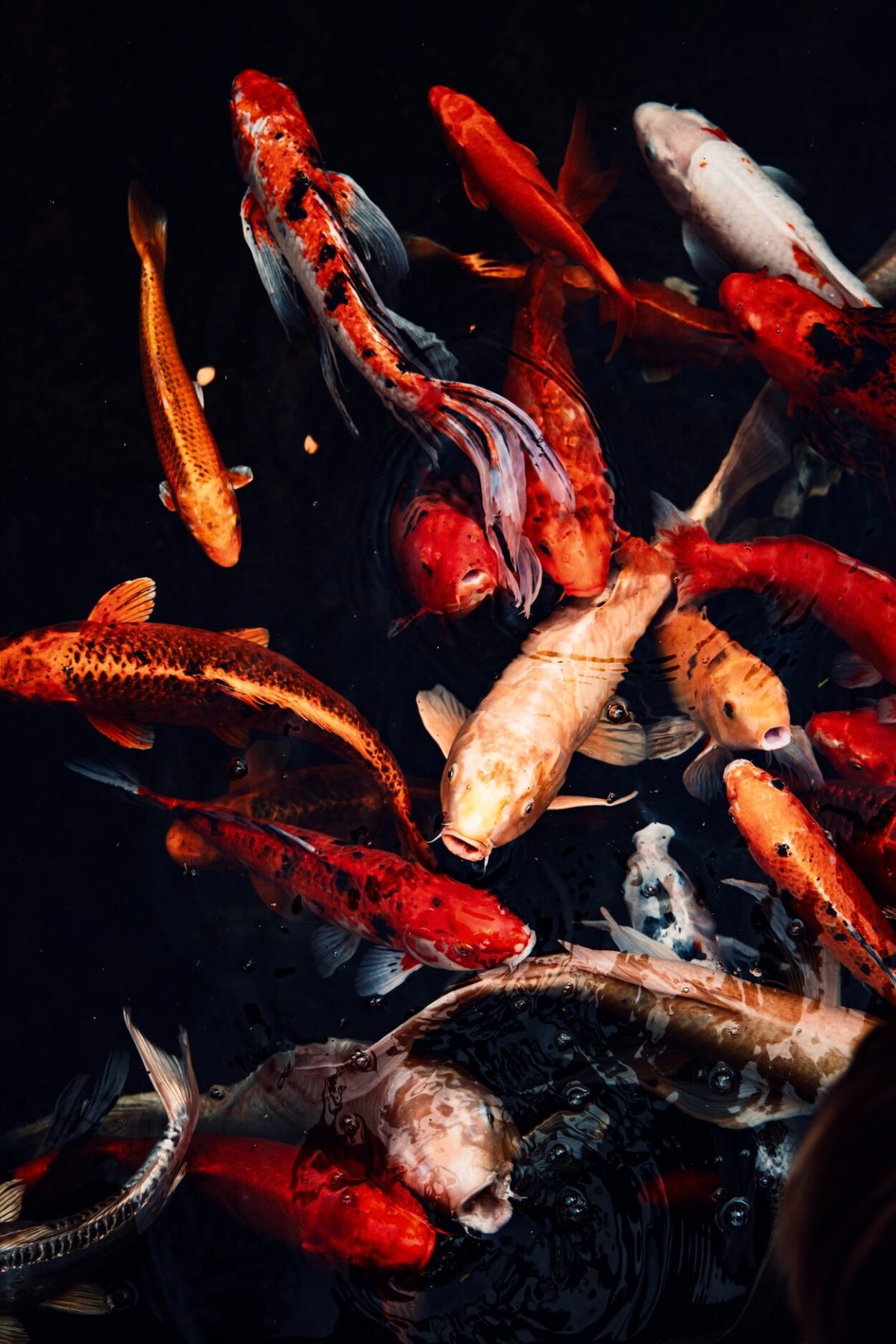
If you are wanting to raise edible fish (eg: tilapia) you need to consider that they can be tricky to maintain and need specific conditions to thrive.  Ornamental fish (eg: goldfish) on the other hand, are less costly and easier to maintain.

2. TEMPERATURE

You need to consider the temperatures of the area you live in.  Some fish need cold water temperatures and some need warm water temperatures.  So keep this in mind when choosing your fish.

3. AVAILABILITY IN YOUR LOCATION

Always check what fish are available in your location.  Additionally, it’s also essential to check which fish are legal to farm in your area.  Some fish also require a permit to farm.  So be sure to check into this.

4. THE LEVEL OF MAINTENANCE REQUIRED FOR THE FISH

Fish differ in the level of care and maintenance that they need to thrive. Some are very sensitive and need a high level of care while others are more hardy and require less care. If you’re looking for fish that does not need costly maintenance then choose fish like, tilapia, koi or goldfish.

5. HOW THE FISH BREED

This is an important consideration. Some fish, like tilapia, breed very quickly in captivity. On the other hand, you get fish species that won’t breed at all in captivity. As a result, you need to carefully choose your fish so that you have one that will breed well.

6. THE DIET YOU FEED YOUR FISH

The food your fish consume becomes the nutrients that sustain the plants. As a result, it’s essential to make sure that you are feeding them a diet that is well-balanced with proteins, carbohydrates, fats and vitamins and minerals.

This is important to factor into consideration when choosing the fish for your aquaponics system. If you choose fish with high maintenance needs it will ultimately impact how much you will spend financially.

7. THE SIZE OF THE TANK

The size of the tank depends on the type of fish you choose. Some fish grow big and need lots of space. In addition, some fish also don’t thrive in a crowded tank. So keep this in mind when choosing the fish for your aquaponics system.

We’ve looked at some of the factors to keep in mind when deciding what fish to use with aquaponics. Use these guidelines to help you decide which type of fish to go with for your aquaponics system.

In addition, it’s also a good idea to join your local FB aquaponics group. It’s a great place to ask any questions you may have and get feedback from people who have experience with aquaponics.

Aquaponics is an effective way to grow veggies. Follow the above guidelines to help choose your fish and enjoy growing your own fresh veggies!

Contact us for water filtration and water tank quotes!

Categories
Sustainable Living Veggie Gardening

THE DIFFERENCE BETWEEN AQUAPONICS & HYDROPONICS

In general, when it comes to growing veggies we tend to think of growing them in soil.  But you can also grow them in water.  We are talking about aquaponics and hydroponics.  These terms can be confusing so let’s look at the difference between aquaponics & hydroponics.

Both aquaponics and hydroponics involve growing veggies in water.  However, a hydroponics system only contains plants. The gardener adds the nutrients the veggies need to the system.  By contrast, aquaponics is based on a symbiotic relationship between fish and plants.  The nutrients are provided through the waste excreted from the fish. The beneficial microbes added to the system transform this waste from the fish into nutrients for the plants. And in turn, the plants filter the water which gives the fish a clean environment. In this way, the fish and plants work together symbiotically.

The decision to use aquaponics or hydroponics to grow veggies comes down to personal preference.  However, it’s important to note that both these systems have benefits. They share the following benefits:

  • The plants have a longer growing season. People often place these setups in a covered area. This means they are protected from the climate and have artificial lighting. As a result, the plants grow for a longer period of time.
  • They have less of a negative impact on the environment.
  • The plants grow faster.
  • You get higher yields of veggies.

Moving towards a more self-sustaining way of living means that we have to think about growing our own food.  Aquaponics and hydroponics allow us to do this effectively. While there will be initial set-up costs, it’s well worth investing in this. As a result, you can have food security and access to healthy organic food.

We’re here to help you on your journey. We can all take steps towards growing our own food. Even if space is limited we can all grow something, even herbs on a window sill. Learning to grow food to whatever degree we can is an essential life skill we all need.

Contact us for water tanks & water filtration quotes!

Categories
Uncategorized

WHAT IS AQUAPONICS?

When you think of growing veggies you often think of growing them in soil.  But you can grow veggies in other ways too.  We’ve looked at hydroponics which involves growing plants in water but you can also grow them with aquaponics. So what is aquaponics? Read on!

Aquaponics is a way of growing plants in water with the help of fish.  There is a symbiotic relationship between the fish and plants.  The fish provide the nutrients the plants need and in turn, the plants clean the water for the fish.

Aquaponics is suitable for some types of vegetables.  However, not all veggies grow well this way.  The following are some of the most popular and easy-to-grow veggies and herbs with aquaponics:

  • Tomatoes
  • Leafy lettuce
  • Watercress
  • Peppers
  • Cucumbers
  • Cauliflower
  • Cabbage
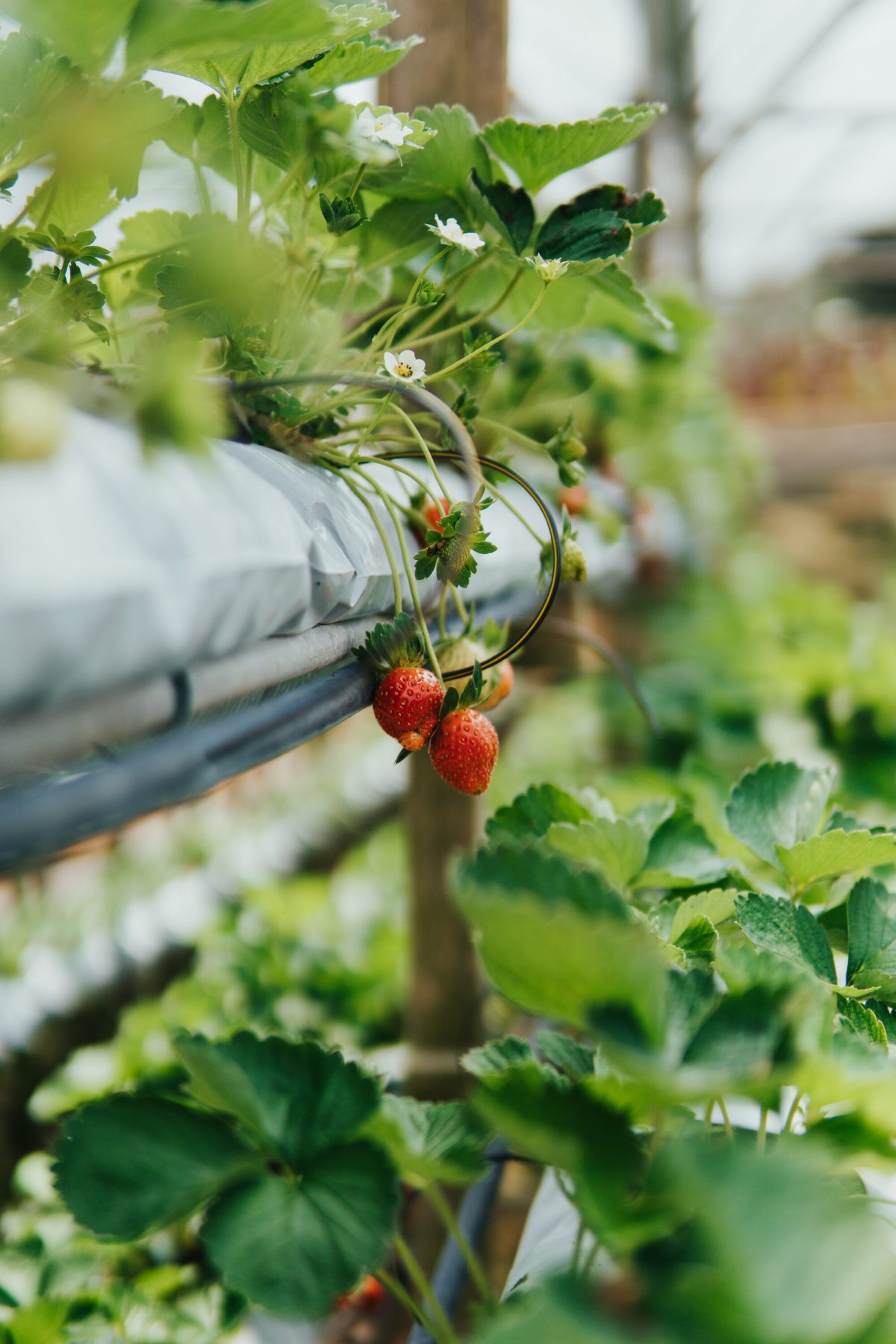
  • Strawberries
  • Ginger
  • Basil
  • Kale
  • Beans
  • Egg plant

Let’s look at the pros and cons of Aquaponics.

THE PROS

  • It is water-efficient
  • It is pesticide free
  • It’s environmentally friendly

THE CONS

  • The initial set-up cost for the system can be expensive depending on the type of system you install
  • You can be limited in what you’re able to grow
  • Electricity consumption can become pricy

As you can see, this way of growing veggies comes with both pros and cons. However, it is an effective way to grow veggies and well worth exploring.

It’s important to note that different systems can be designed for aquaponics. However, every system will need 3 essential components. These are fish, plants and bacteria. In addition to this you will also need: a fish tank, grow bed, pumps and plumbing.

It’s becoming increasingly important to live in self-sustaining ways that are environmentally friendly.  Growing your own veggies is a good step towards being self-sustaining.  And it’s so good for your health to eat organic food too! A real win-win!

Categories
Veggie Gardening

4 CONS OF HYDROPONICS

Hydroponics is a way of growing plants without soil.  Instead, they are grown in water.  It’s an effective way to grow plants that comes with both pros and cons.  We covered the pros in last week’s blog, now we are going to look at 4 cons of hydroponics.

1. TIME-CONSUMING

Hydroponics can take a fair amount of time.  When you plant in soil nature and the soil provide all that the plants need. By contrast, with hydroponics, you control the plants’ entire environment and have to meet all the needs. The water has to be replaced regularly and the plants need to be continually monitored.  As a result, it can become time-consuming.

2. IT REQUIRES SOME EXPERTISE

Hydroponics farming needs a variety of equipment. Some of the equipment needed includes containers, high-quality lighting, and a timer. You need to know how to use these so that your plants will flourish.  Even little mistakes with the equipment can lead to your plants dying. As a result, it’s critical that you know and understand how to use the equipment and techniques associated with hydroponics.

3. YOU NEED AN UNINTERRUPTED ELECTRICITY CONNECTION

Hydroponics requires both water and electricity. Therefore you need to ensure that you have both. In particular, you must ensure that you have a stable electricity supply.  You can’t have any interruptions to your electricity as it will cause the plants to die.

In South Africa, with load-shedding, we have issues with a stable electricity supply. As a result, if you are planning to set up a hydroponics system you will need to look into alternative ways to generate electricity. You will need to research and find the best solar options to ensure that you will have a continual electricity supply. And in particular, you will need to ensure you have a backup electricity option.

4. IT CAN BE PRICY

Due to the equipment required for hydroponics, it can be expensive to run a hydroponics system.  In addition, you will also need to buy good quality nutrients which will also add to the price.

Now that we’ve looked at the 4 cons of hydroponics it’s important to not become discouraged. Hydroponics is a wonderful way to grow plants and these challenges can be overcome. So don’t be put off.  Keep learning about hydroponics and take whatever steps you can towards it.  It’s a great way to grow veggies!