Categories
Solar Power Sustainable Living Water Filtration

WHAT DOES LIVING “OFF-THE-GRID” MEAN?

Living “off-the-grid” is a term we are hearing more and more these days.  The energy crisis we are facing in South Africa combined with continual water leaks has left us all thinking of more self-sustaining ways of living. As a result, some people are exploring the option of off-the-grid living But you may be wondering exactly what living “off-the-grid” means.  

The main concept behind living “off-the-grid” is that you live in a self-sufficient way that is disconnected from the municipal infrastructure.  This means that you are not connected to the municipal grid for water, electricity and sewerage.  It also means that you produce your own food and take care of your own waste removal.  

In summary, the following are key components of off-grid-living:

  • energy independence
  • water self-sufficiency
  • independent waste management
  • food production
  • a minimal reliance on external services

WHY DO PEOPLE CHOOSE TO LIVE OFF THE GRID?

There are many reasons people choose to live off-the-grid.  These include the following:

  • It allows you to live independently and with greater self-sufficiency
  • It’s more environmentally friendly
  • This lifestyle embraces healthier living
  • Off-grid living is a way to simplify your life
  • It can be cost-efficient
  • Off-grid living helps you to reduce your carbon footprint
  • It can give you food security

Off-the-grid living is something that can be done in varying degrees. This ranges from a partial self-sufficient lifestyle to a completely self-sustaining one. Whichever way you go, you will need effective planning, knowledge, and resourcefulness. It’s a lifestyle that comes with many benefits and of course also challenges.  However, these can be overcome.  

And even if you can’t move out to a remote property and live in the countryside remember that we can all take steps towards being more self-sustaining.  Installing solar power, accessing your underground water and installing water filtration at your current property are all steps that will help you become more independent and self-sustaining!

Contact us for solar power, and water filtration quotes, Cape Town!
Categories
Sustainable Living

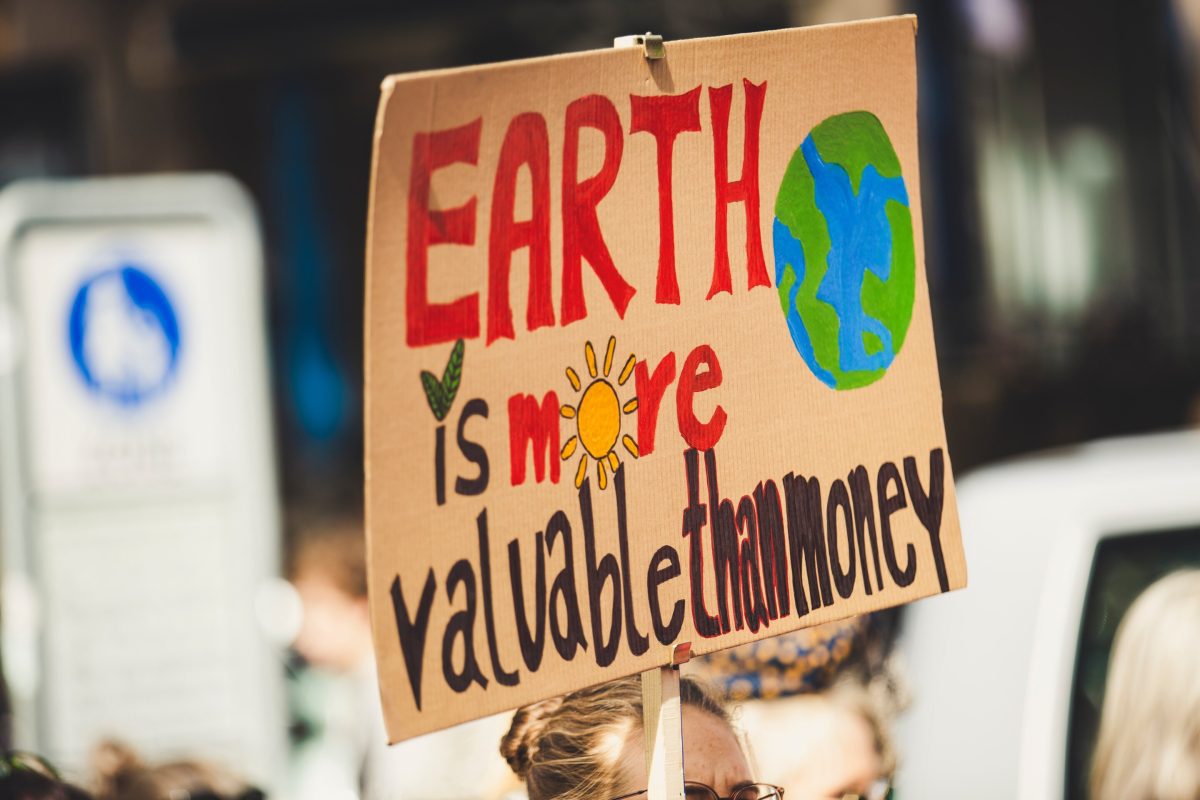
8 SHOCKING REASONS OUR PLANET NEEDS URGENT ACTION

Our planet is under immense pressure.  And we need urgent intervention.  Let’s look now at 8 shocking reasons our planet needs urgent action. 

URGENT FACTORS AFFECTING OUR PLANET

  1. Every year, approximately 8 million metric tons of plastic end up in the oceans. As a result, this causes immense harm to marine life and ecosystems.
  2. Deforestation continues at an alarming rate. It is estimated that 18.7 million acres of forest are lost annually. This is equivalent to 27 soccer fields per minute.
  3. Over 1 million species are currently facing extinction due to human activities. As a result, this has led to a significant loss of biodiversity and ecosystem disruptions.
  4. Approximately one-third of all food produced for human consumption (around 1.3 billion tons) is wasted or lost each year. As a result, this exacerbates issues like hunger and resource depletion.
  5. According to the World Wildlife Fund (WWF), wildlife populations have declined. This decline has been by an average of 68% in less than 50 years. This is primarily due to habitat destruction, pollution, and climate change.
  6. Agriculture utilizes around 70% of the world’s freshwater resources. As a result, this leads to water scarcity in many regions and threatens the availability of clean water for communities.
  7. If current pollution rates continue, experts estimate that by 2050, the weight of plastic in the oceans will surpass that of fish.
  8. The burning of fossil fuels is the largest contributor to greenhouse gas emissions. CO2 levels in the atmosphere are reaching their highest levels.

These shocking statistics highlight the fact that there is a problem in how we live and treat the earth. As a result, it’s a wake-up call that urgent action is needed. Each one of us can make small changes that will add up to big changes if we all do them.

Contact us for water filtration, water tanks and solar

Categories
Aquaponics Sustainable Living

DOES AQUAPONICS REQUIRE SUNLIGHT?

Aquaponics involves growing plants in water with the help of fish.  The fish and plants function in a symbiotic relationship.  The fish provide the nutrients for the plants and the plants in turn filter the water for the fish.  It’s an effective way to grow plants and in particular, veggies.  A commonly asked question is, “Does aquaponics require sunlight?” Read on!

Aquaponics requires light not necessarily sunlight for plants to grow well.  As a result, you can also use artificial lights to meet this need.  

Fish also don’t need sunlight per se, but they do need periods of light and dark in order to thrive.  Without this, they can become sluggish and sick.  This too can be provided by artificial lights.  

As a result, you can see that you can set up your aquaponics systems indoors or outdoors as long as you provide light for your plants and periods of light and darkness for the fish.

When it comes to the amount of light the fish need it depends on the following two factors:

  1. The species of fish you choose
  2. The environmental conditions of your aquaponics system

Generally speaking, however, most aquaponic fish need 12 hours of light each day.

SHOULD YOU CHOOSE SUNLIGHT OR ARTIFICIAL LIGHT FOR YOUR AQUAPONICS SYSTEM?

If you live in an area that has a plentiful supply of sunlight then you can set up your aquaponics system outside.  However, it’s important to remember that fish don’t thrive with too much exposure to sunlight.  To counteract this you can cover your fish tank with netting.

If you need to set your aquaponics system up indoors due to space constraints then you will need to go with artificial lighting.

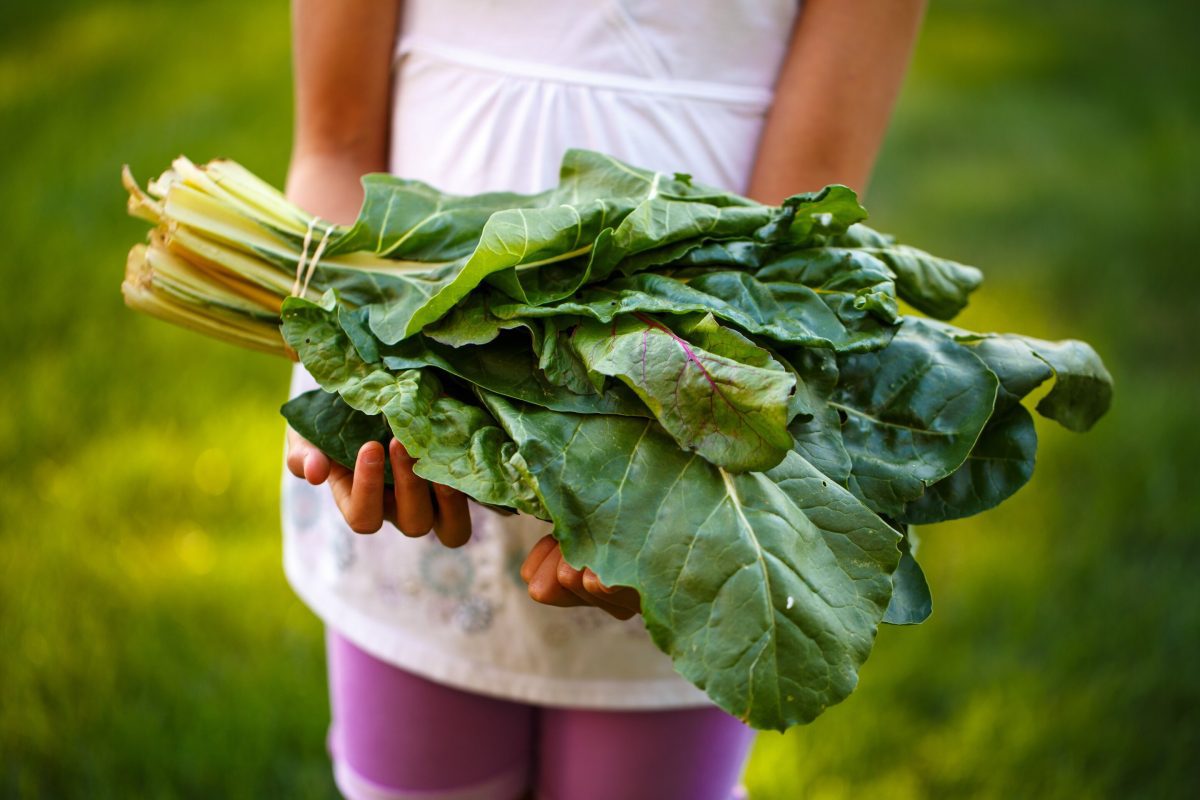
Learning to grow your own food is one of the most valuable things you can learn.  It’s an important factor in off-grid living and the health benefits of eating organic food are numerous too. 

Let’s take a look at some of the health benefits of eating organic veggies:

BENEFITS OF EATING ORGANIC VEGGIES

  • It’s free of chemicals and pesticides
  • Organic veggies are fresh
  • Organic veggie farming is environmentally friendly
  • It’s GMO-free 
  • The veggies have more beneficial nutrients
  • They don’t impact your health negatively

As you can see from the above-mentioned benefits it’s well worth learning how to grow your own organic veggies.  It’s true that you can buy this from the shop or a farmer’s market, however, this can become pricy.  Growing your own organic veggies will help you cut down on these costs.  And in addition, it’s so rewarding to grow veggies and reap the rewards of your efforts!

Contact us for water tank and water filtration quotes, Cape Town!
Categories
Sustainable Living Veggie Gardening

THE DIFFERENCE BETWEEN AQUAPONICS & HYDROPONICS

In general, when it comes to growing veggies we tend to think of growing them in soil.  But you can also grow them in water.  We are talking about aquaponics and hydroponics.  These terms can be confusing so let’s look at the difference between aquaponics & hydroponics.

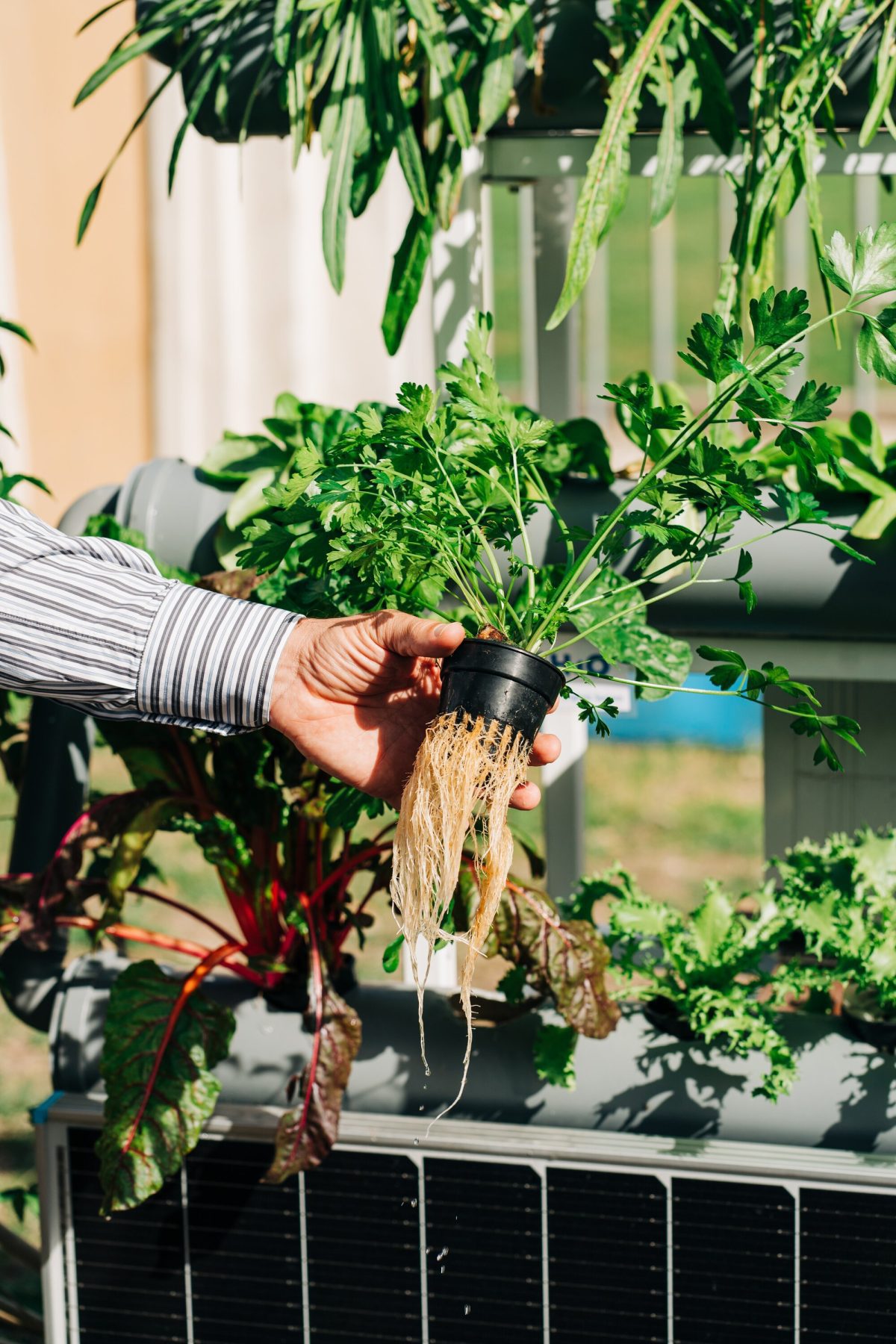
Both aquaponics and hydroponics involve growing veggies in water.  However, a hydroponics system only contains plants. The gardener adds the nutrients the veggies need to the system.  By contrast, aquaponics is based on a symbiotic relationship between fish and plants.  The nutrients are provided through the waste excreted from the fish. The beneficial microbes added to the system transform this waste from the fish into nutrients for the plants. And in turn, the plants filter the water which gives the fish a clean environment. In this way, the fish and plants work together symbiotically.

The decision to use aquaponics or hydroponics to grow veggies comes down to personal preference.  However, it’s important to note that both these systems have benefits. They share the following benefits:

  • The plants have a longer growing season. People often place these setups in a covered area. This means they are protected from the climate and have artificial lighting. As a result, the plants grow for a longer period of time.
  • They have less of a negative impact on the environment.
  • The plants grow faster.
  • You get higher yields of veggies.

Moving towards a more self-sustaining way of living means that we have to think about growing our own food.  Aquaponics and hydroponics allow us to do this effectively. While there will be initial set-up costs, it’s well worth investing in this. As a result, you can have food security and access to healthy organic food.

We’re here to help you on your journey. We can all take steps towards growing our own food. Even if space is limited we can all grow something, even herbs on a window sill. Learning to grow food to whatever degree we can is an essential life skill we all need.

Contact us for water tanks & water filtration quotes!

Categories
Sustainable Living Veggie Gardening

THE PROS OF HYDROPONICS

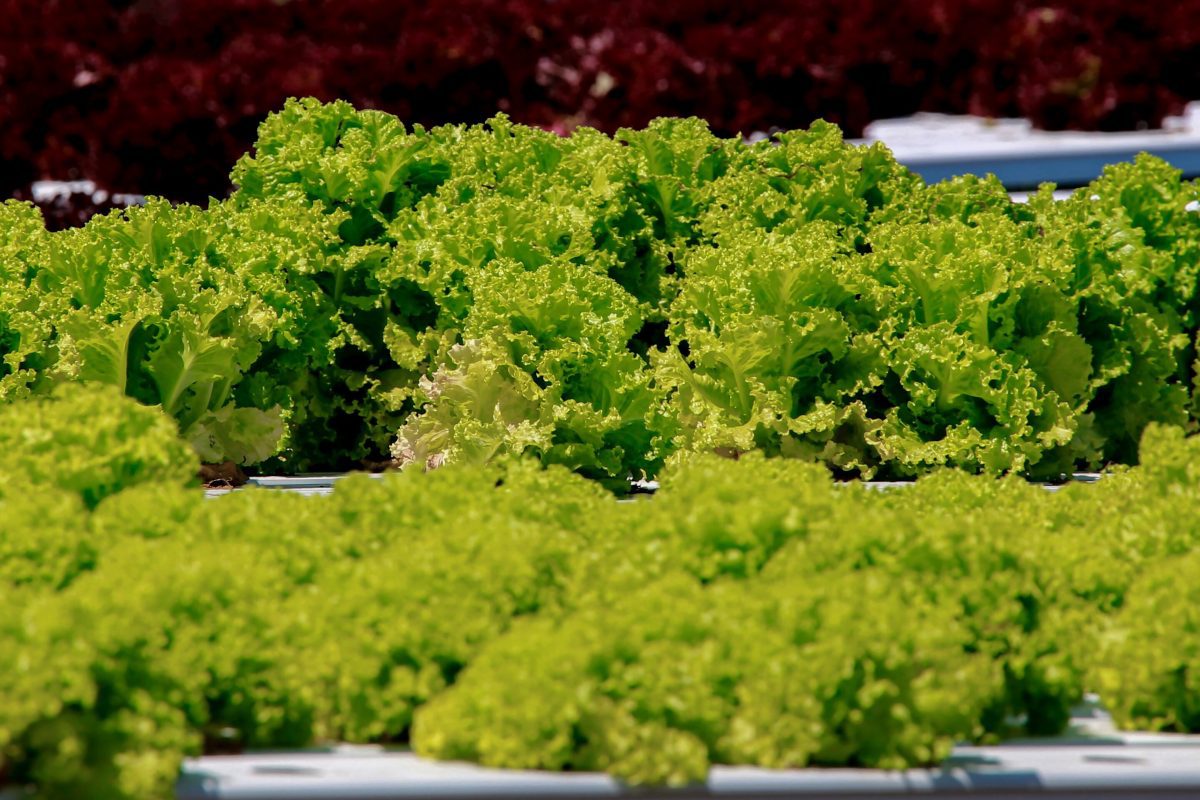
Hydroponics is a way of growing plants and veggies without the use of soil.  Instead, the plants grow in water that has nutrients added to it. This method of growing veggies comes with both pros and cons.  In today’s blog, we’re going to look at the pros of hydroponics.

1. NO SOIL IS NEEDED

Plants are grown in water with hydroponics. As a result, this is a real advantage if you don’t have land or space to plant veggies in soil.

2. YOU CAN GROW VEGGIES ANYWHERE

With hydroponics, you can grow veggies anywhere, even on the balcony of a flat.

3. YOU CAN GROW MANY PLANTS IN A SMALL SPACE

When you grow veggies with hydroponics the roots of the plants don’t need to spread out to find nutrients.  They get it directly from the water they are suspended in.  As a result, you are able to grow many more plants in a smaller space.

4. CONTROL OVER THE CLIMATE

You can grow your crops year-round despite the changing seasons with hydroponics.  This is because you have equipment with hydroponics that can adjust the temperature, regulate the brightness of the light and control the humidity levels.  You can adjust as needed. 

5. IT CAN SAVE YOU WATER

Despite the fact that you grow plants in water, you actually end up saving water with hydroponics.  This is because you only use around 10% of the water as compared to plants grown in soil. The way it works is that the plants absorb the water they need. The rest of the water is directed back into the system. As a result, water is only lost through evaporation and leaks in the system.

6. EFFECTIVE USE OF NUTRIENTS

With hydroponics, nutrients can be added to the plants in an effective way. You can monitor what nutrients are needed and then add those to the water. In this way, the plants receive exactly what they need when they it.

7. ACCELERATED GROWTH RATE

Hydroponics allows you to control your plant’s environment completely. You are able to regulate factors like temperature, humidity and nutrients. As a result, your plants are now growing in ideal conditions and therefore they have an accelerated growth rate.

8. NO WEEDS

Ask any gardener what they hate when it comes to gardening, and you will hear about weeds. So it’s a real bonus to know that with hydroponics you will not be fighting with weeds as you grow your veggies. This is because weeds are only an issue with soil. Because you are growing your crops in water weeds will not be an issue.

9. FEWER PESTS AND DISEASES

Growing veggies by means of hydroponics means that you will deal with fewer pests and diseases. Because you are growing your veggies in water and not soil you will not struggle as much with pests and diseases. This is because you are growing your plants in a closed, carefully controlled environment.

10. FEWER INSECTICIDES ARE NEEDED

As we know, hydroponics doesn’t use any soil. As a result, as mentioned above there are fewer pests and diseases to work with. Consequently, you won’t have much need for insecticides. This is good news because it means you will be able to grow organic, healthy clean food.

As you can see, there are some incredible pros of hydroponics. However, as with everything in life, there are also cons. We will explore these in our next blog.

More and more people are moving towards living in more self-sustaining ways. It’s definitely a journey and not something that happens overnight. However, it is something we can all pursue to whatever degree we’re able. It’s worth it and we’re here to assist you in this journey!

Contact us for water filtration and water tank quotes!

Categories
Sustainable Living Veggie Gardening

WHAT IS HYDROPONICS?

For those pursuing off-grid living growing your own veggies is absolutely essential.  When it comes to growing veggies we often only think of growing them in soil.  However, there are other methods of growing veggies. One of these methods is hydroponics.  But what is hydroponics? Read on!

Hydroponics is a way of growing plants in water enriched with nutrients.  The word “hydroponics” comes from ancient Greek with “hydro” meaning water and “ponics” meaning labour. Instead of soil, organic substances like vermiculite, coco coir or perlite are placed in the water for the plants to root in.  As a result, with hydroponics, the water does the work by providing the nutrients that help the plants to grow more quickly.

More and more people are looking into ways to become more self-sustaining in how they live.  Particularly in South Africa, it’s becoming increasingly important to become more self-sustaining.  Our energy crisis and the constant droughts are forcing us to move in this direction.  As a result, many people are now investing in solar, water filtration and food gardens.

A simple step we can all take towards this is to grow our own veggies.  One of the greatest rewards of this is that you will be eating fresh, organic food.  In addition, you will also save money because it can become pricy to buy organic veggies from the shop.  

Contact us for water tanks and water filtration quotes!

Categories
Sustainable Living Water Filtration Water tanks

HOW LONG WILL A WATER TANK LAST?

One of the key elements to off-grid living is to have your own water source.  Collecting rainwater is one way to do this.  As a result, water tanks are an important investment.  But just how long will a water tank last?

As a general rule of thumb, a water tank should last for around 10 years.  Because it lasts for such a long time it provides excellent value for money.  

Depending on what you will use your water for, you may need water filtration. This particularly applies if you want to use your water inside the house.  This is because unfiltered water can damage appliances like your washing machine and dishwasher.  

And if you are wanting to drink your water then it will definitely require water filtration to make it safe for consumption.

As a result, you will need to take a water sample and have it tested.  Thereafter, a water filtration system will be designed to address the issues with your water.

Living off-grid means that you will need to have your own water source and power supply.  Consequently, you will need to have water tanks to harvest rainwater and also to store water if you have a borehole.  So water tanks are a key investment if you are trying to live in a more self-sustaining way. 

Those of us living in South Africa understand clearly the need to live in a more self-sustaining way particularly with the fear of a drought hanging over us and the energy crisis we face.

As a result, we are now looking at ways to be more self-sustaining. This may be through installing solar panels, water tanks, investing in water filtration or even exploring alternative sources of water like boreholes.

Whichever way now, we are all purusuing this in whatever capacity we can. And we at the Green Revolution are here to help you in this journey however we can!

Contact us for water filtration quotes!

Categories
Sustainable Living

5 BENEFITS OF RAISING CHICKENS

More and more people are moving towards self-sustaining living these days.  Solar power, water filtration and veggie gardens are becoming the norm. And one of the easiest ways to become more self-sustaining is by raising chickens.  Let’s take a look now at the 5 benefits of raising chickens.  

1. HOME-GROWN EGGS

The main benefit is eating fresh, organic eggs every day.  Often times eggs from the store are not the best quality and if you want better quality you have to pay steep prices.

2. YOU CAN SAVE MONEY

You can save money having chickens because you’ll be eating fresh, organic eggs daily without having to pay high prices for them.

3. THEY ARE LOW MAINTENANCE

Chickens are hardy and take care of themselves yet give a high reward. Once you’ve set up their coop the daily maintenance is low and fairly easy.  They mostly look after themselves.

3. FERTILIZER FOR THE GARDEN

Chicken manure makes an excellent fertilizer for the garden that adds critical nutrients back into the soil.  By raising chickens you will have access to a continual supply of excellent quality fertiliser for your garden.

4. PEST AND INSECT CONTROL

Chickens eat various pests and insects in the garden.  As a result, they are an excellent form of insect control.  

5. A GREAT WASTE DISPOSAL SYSTEM

Chickens are an excellent waste disposal system when it comes to kitchen scraps.  Instead of throwing them in the garbage, you can use them as feed for your chickens.

As you can see, raising chickens is an excellent step towards living in a self-sustaining way. It may not be possible to live completely self-sustaining but we can all take steps towards it!

Contact us today for water filtration, and solar energy quotes!

Categories
Sustainable Living

WHY ARE PLASTIC SHOPPING BAGS BAD FOR THE ENVIRONMENT?

There’s been a significant shift away from using plastic shopping bags.  When you go to the grocery store these days, a wide array of recyclable shopping bags are available.  This is good news and definitely a step in the right direction when it comes to protecting the earth.  But why are plastic shopping bags bad for the environment?

1. THEY POLLUTE THE ENVIRONMENT

Plastic bags are non-biodegradable.  This means that they cannot be decomposed.  As a result, they go to the dump, where they sit and become part of the pollution issue we are facing with the earth.

2. THEY ARE A HAZARD TO ANIMALS

Animals who accidentally eat a plastic bag can end up choking when it gets stuck in their windpipe or food pipe.  Likewise, plastic bags do terrible harm to our ocean life too.  Fish, turtles and marine mammals can become tangled in the plastic.  They can also eat the plastic which ultimately leads to them suffocating and drowning.

3. PLASTIC FACTORIES EMIT HARMFUL WASTE

When plastic is manufactured the waste generated is dumped into various water outlets like rivers.  As a result, our water sources become polluted and this contamination can cause health risks.

4. THEY DEPLETE OUR FOSSIL FUELS

Most plastics are manufactured from petroleum which is a non-renewable fossil fuel.  We need to protect our fossil fuels which include coal, petroleum and natural gas.  Part of protecting the earth involves protecting these non-renewable fossil fuels and using them with care.

5. THEY CAN CAUSE HARMFUL GREENHOUSE GASES

When you burn plastic it releases harmful greenhouse gases into the air which is detrimental to our environment.

As you can see using plastic shopping bags is an important issue to address when it comes to protecting our environment.  And we can all play our part by simply using material shopping bags or ones made of recyclable materials.  

It’s such a simple decision, yet it will have a powerful impact on our environment!

Contact us today for water filtration, and solar energy quotes!

Categories
Sustainable Living

SUSTAINABILITY PRACTICES YOU CAN DO AT HOME

We hear so much about being green and sustainable living.  At every turn, we are encouraged to pursue sustainable living.  Did you know that there are some simple sustainability practices you can do at home? Read on!

Let’s start firstly by looking at exactly what we mean when we talk about sustainable livingSustainable living simply means being aware of how we live and the impact we have on our environment.  It means living in such a way that we do as little harm to the environment as possible.  

Now that we’ve defined sustainable living let’s take a deeper look at some simple sustainability practices you can do at home.

1. BUY REUSABLE ITEMS INSTEAD OF DISPOSABLE

Wherever possible buy items that are reusable.  As a result, this will help reduce the amount of waste going to the dump.  For example, instead of using plastic wrap in the kitchen, you can opt to use material bowl covers instead.  Another idea is to avoid buying disposable razors and opt for an electric razor or a non-disposable one instead. 

2. START A COMPOST HEAP

Instead of sending veggie peels to the dump start your own compost heap.  It’s a far more effective way of dealing with your food waste and it has the added bonus of providing the compost you need for your garden.  It’s such a win-win!

3. GROW YOUR OWN VEGGIES

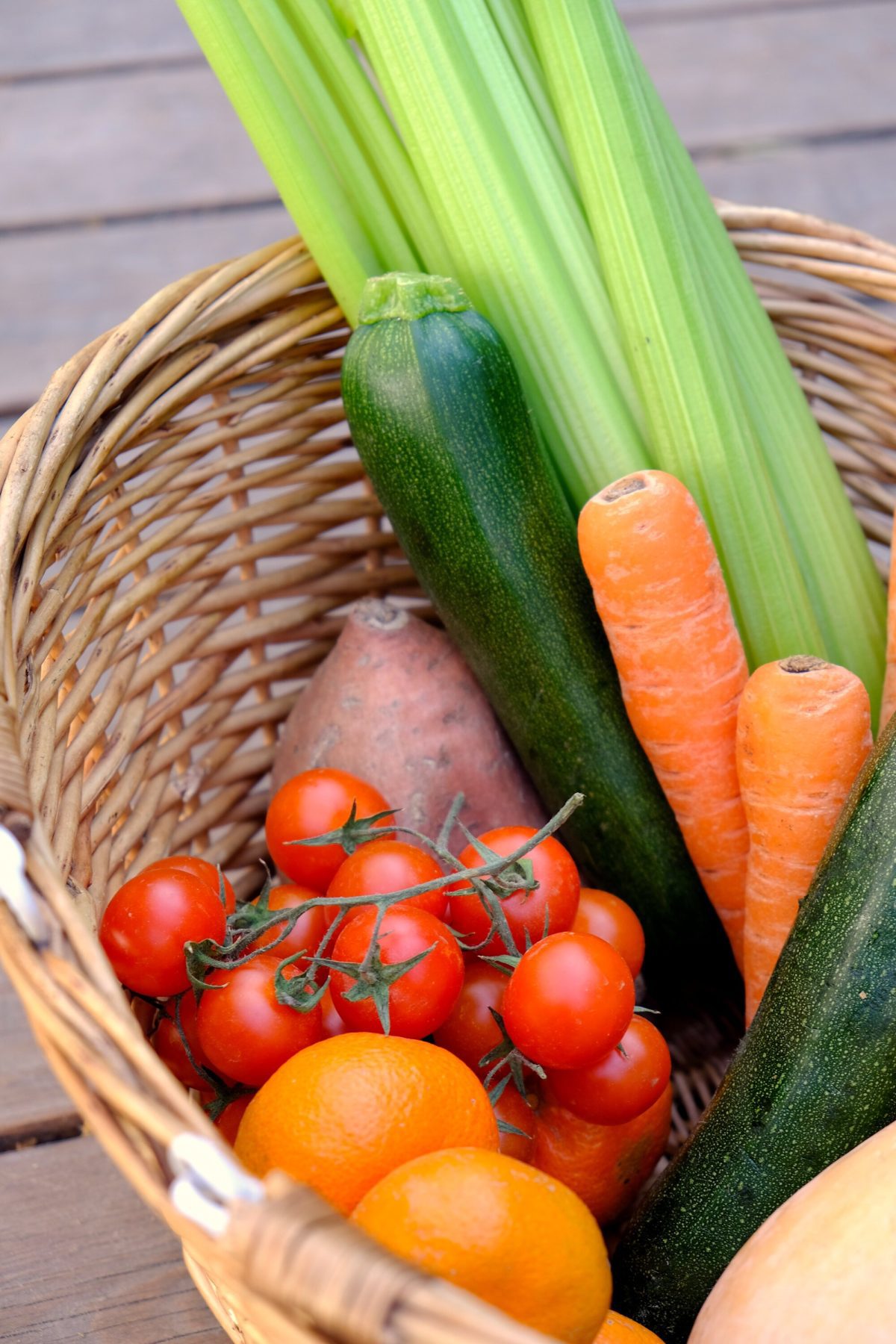
It’s not as difficult as you may think to grow your own veggies.  And there are so many great benefits to growing your own veggies. With some basic knowledge and plenty of water and care you can enjoy organic veggies straight from your own garden.  Some veggies that are pretty easy to grow are spinach, tomatoes, butternut and potato to name a few.  

And over time you will increase your knowledge and be able to expand what you grow in your own veggie garden.  It’s a fantastic way to eat healthy, organic veggies and save money on your food bill.

4. MAKE YOUR OWN CLEANING PRODUCTS

This is such a great idea for 2 reasons.  Firstly, when you make your own cleaning products you are not buying ones in plastic containers.  As a result, you are reducing the amount of plastic going to the dump.  

Secondly, many of these products contain ingredients that can be harmful to the environment.  When you make your own products you are avoiding this.

Vinegar and bicarbonate of soda make excellent cleaning agents.  And vinegar smells much better when infused with citrus peels.

5. OPT TO BUY PRODUCTS NOT WRAPPED IN PLASTIC

Wherever possible try to buy products that are not wrapped in plastic.  This can be challenging but if each one of us tries in a small way it will make a difference.  

An example of how you can do this is by choosing to buy your veggies fresh from your farmer’s market.  In this way, you are able to avoid all the plastic packaging. 

6. RECYCLE, RECYCLE, RECYCLE!

This is something we can all do.  Make it a habit to recycle and in this way, we can reduce the amount of rubbish sent to the dump.

One important thing to bear in mind is that when we recycle we need to do it properly.  This means that you must only put items into recycling that your recycling provider has specified.  Don’t add just anything to the recycling.  Only add recyclable items because if you add non-recyclable items it can contaminate everything and make it unusable.

7. BE WATERWISE

Taking care of our planet means being careful with how we use our water.  We need to make it our aim not to waste water.  A way in which we can do this is by collecting our grey water and using it to water the garden.

8. REDUCE THE AMOUNT OF ENERGY YOU USE

 With a few simple adjustments, we can all reduce the amount of energy we use.  This is important because the number of greenhouse gases going into the atmosphere from energy use has a negative impact on the environment.

Some ways in which you can reduce your energy use is by unplugging your devices when you’re not using them and using energy-efficient LED light bulbs in your house.  

As you can see there are simple, yet effective sustainability practices you can do at home. Let’s keep these in mind each day and do our best to live sustainably and care for our planet!