Categories
Sustainable Living Veggie Gardening

THE DIFFERENCE BETWEEN AQUAPONICS & HYDROPONICS

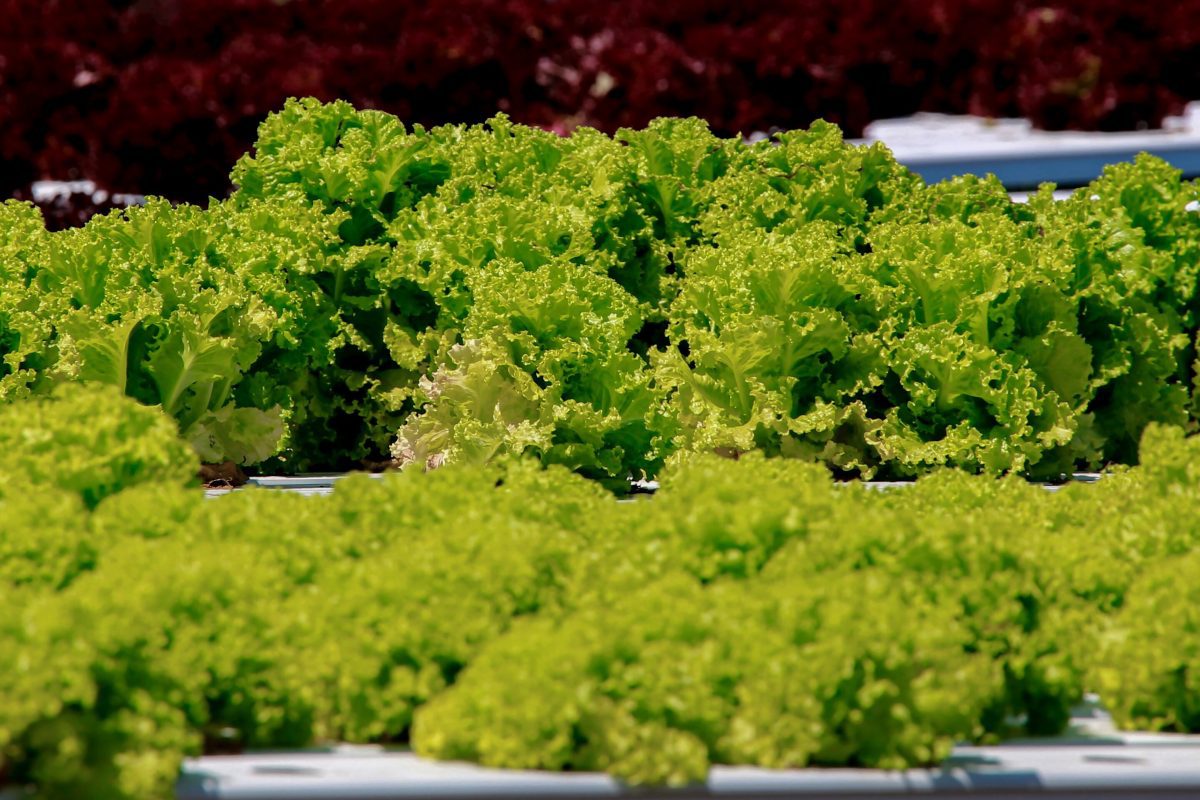
In general, when it comes to growing veggies we tend to think of growing them in soil.  But you can also grow them in water.  We are talking about aquaponics and hydroponics.  These terms can be confusing so let’s look at the difference between aquaponics & hydroponics.

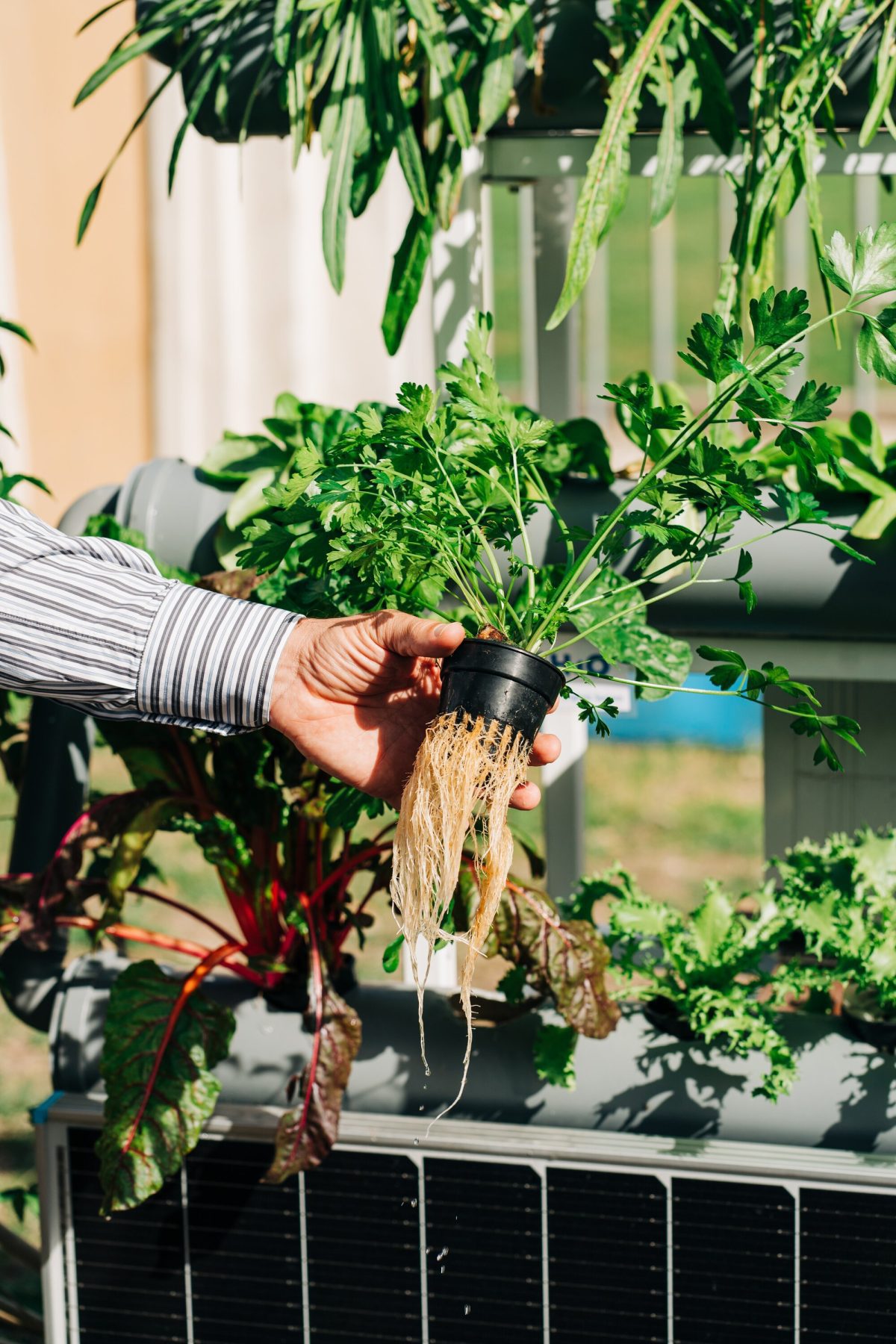
Both aquaponics and hydroponics involve growing veggies in water.  However, a hydroponics system only contains plants. The gardener adds the nutrients the veggies need to the system.  By contrast, aquaponics is based on a symbiotic relationship between fish and plants.  The nutrients are provided through the waste excreted from the fish. The beneficial microbes added to the system transform this waste from the fish into nutrients for the plants. And in turn, the plants filter the water which gives the fish a clean environment. In this way, the fish and plants work together symbiotically.

The decision to use aquaponics or hydroponics to grow veggies comes down to personal preference.  However, it’s important to note that both these systems have benefits. They share the following benefits:

  • The plants have a longer growing season. People often place these setups in a covered area. This means they are protected from the climate and have artificial lighting. As a result, the plants grow for a longer period of time.
  • They have less of a negative impact on the environment.
  • The plants grow faster.
  • You get higher yields of veggies.

Moving towards a more self-sustaining way of living means that we have to think about growing our own food.  Aquaponics and hydroponics allow us to do this effectively. While there will be initial set-up costs, it’s well worth investing in this. As a result, you can have food security and access to healthy organic food.

We’re here to help you on your journey. We can all take steps towards growing our own food. Even if space is limited we can all grow something, even herbs on a window sill. Learning to grow food to whatever degree we can is an essential life skill we all need.

Contact us for water tanks & water filtration quotes!
Categories
Veggie Gardening

4 CONS OF HYDROPONICS

Hydroponics is a way of growing plants without soil.  Instead, they are grown in water.  It’s an effective way to grow plants that comes with both pros and cons.  We covered the pros in last week’s blog, now we are going to look at 4 cons of hydroponics.

1. TIME-CONSUMING

Hydroponics can take a fair amount of time.  When you plant in soil nature and the soil provide all that the plants need. By contrast, with hydroponics, you control the plants’ entire environment and have to meet all the needs. The water has to be replaced regularly and the plants need to be continually monitored.  As a result, it can become time-consuming.

2. IT REQUIRES SOME EXPERTISE

Hydroponics farming needs a variety of equipment. Some of the equipment needed includes containers, high-quality lighting, and a timer. You need to know how to use these so that your plants will flourish.  Even little mistakes with the equipment can lead to your plants dying. As a result, it’s critical that you know and understand how to use the equipment and techniques associated with hydroponics.

3. YOU NEED AN UNINTERRUPTED ELECTRICITY CONNECTION

Hydroponics requires both water and electricity. Therefore you need to ensure that you have both. In particular, you must ensure that you have a stable electricity supply.  You can’t have any interruptions to your electricity as it will cause the plants to die.

In South Africa, with load-shedding, we have issues with a stable electricity supply. As a result, if you are planning to set up a hydroponics system you will need to look into alternative ways to generate electricity. You will need to research and find the best solar options to ensure that you will have a continual electricity supply. And in particular, you will need to ensure you have a backup electricity option.

4. IT CAN BE PRICY

Due to the equipment required for hydroponics, it can be expensive to run a hydroponics system.  In addition, you will also need to buy good quality nutrients which will also add to the price.

Now that we’ve looked at the 4 cons of hydroponics it’s important to not become discouraged. Hydroponics is a wonderful way to grow plants and these challenges can be overcome. So don’t be put off.  Keep learning about hydroponics and take whatever steps you can towards it.  It’s a great way to grow veggies!

Categories
Sustainable Living Veggie Gardening

THE PROS OF HYDROPONICS

Hydroponics is a way of growing plants and veggies without the use of soil.  Instead, the plants grow in water that has nutrients added to it. This method of growing veggies comes with both pros and cons.  In today’s blog, we’re going to look at the pros of hydroponics.

1. NO SOIL IS NEEDED

Plants are grown in water with hydroponics. As a result, this is a real advantage if you don’t have land or space to plant veggies in soil.

2. YOU CAN GROW VEGGIES ANYWHERE

With hydroponics, you can grow veggies anywhere, even on the balcony of a flat.

3. YOU CAN GROW MANY PLANTS IN A SMALL SPACE

When you grow veggies with hydroponics the roots of the plants don’t need to spread out to find nutrients.  They get it directly from the water they are suspended in.  As a result, you are able to grow many more plants in a smaller space.

4. CONTROL OVER THE CLIMATE

You can grow your crops year-round despite the changing seasons with hydroponics.  This is because you have equipment with hydroponics that can adjust the temperature, regulate the brightness of the light and control the humidity levels.  You can adjust as needed. 

5. IT CAN SAVE YOU WATER

Despite the fact that you grow plants in water, you actually end up saving water with hydroponics.  This is because you only use around 10% of the water as compared to plants grown in soil. The way it works is that the plants absorb the water they need. The rest of the water is directed back into the system. As a result, water is only lost through evaporation and leaks in the system.

6. EFFECTIVE USE OF NUTRIENTS

With hydroponics, nutrients can be added to the plants in an effective way. You can monitor what nutrients are needed and then add those to the water. In this way, the plants receive exactly what they need when they it.

7. ACCELERATED GROWTH RATE

Hydroponics allows you to control your plant’s environment completely. You are able to regulate factors like temperature, humidity and nutrients. As a result, your plants are now growing in ideal conditions and therefore they have an accelerated growth rate.

8. NO WEEDS

Ask any gardener what they hate when it comes to gardening, and you will hear about weeds. So it’s a real bonus to know that with hydroponics you will not be fighting with weeds as you grow your veggies. This is because weeds are only an issue with soil. Because you are growing your crops in water weeds will not be an issue.

9. FEWER PESTS AND DISEASES

Growing veggies by means of hydroponics means that you will deal with fewer pests and diseases. Because you are growing your veggies in water and not soil you will not struggle as much with pests and diseases. This is because you are growing your plants in a closed, carefully controlled environment.

10. FEWER INSECTICIDES ARE NEEDED

As we know, hydroponics doesn’t use any soil. As a result, as mentioned above there are fewer pests and diseases to work with. Consequently, you won’t have much need for insecticides. This is good news because it means you will be able to grow organic, healthy clean food.

As you can see, there are some incredible pros of hydroponics. However, as with everything in life, there are also cons. We will explore these in our next blog.

More and more people are moving towards living in more self-sustaining ways. It’s definitely a journey and not something that happens overnight. However, it is something we can all pursue to whatever degree we’re able. It’s worth it and we’re here to assist you in this journey!

Contact us for water filtration and water tank quotes!

Categories
Sustainable Living Veggie Gardening

WHAT IS HYDROPONICS?

For those pursuing off-grid living growing your own veggies is absolutely essential.  When it comes to growing veggies we often only think of growing them in soil.  However, there are other methods of growing veggies. One of these methods is hydroponics.  But what is hydroponics? Read on!

Hydroponics is a way of growing plants in water enriched with nutrients.  The word “hydroponics” comes from ancient Greek with “hydro” meaning water and “ponics” meaning labour. Instead of soil, organic substances like vermiculite, coco coir or perlite are placed in the water for the plants to root in.  As a result, with hydroponics, the water does the work by providing the nutrients that help the plants to grow more quickly.

More and more people are looking into ways to become more self-sustaining in how they live.  Particularly in South Africa, it’s becoming increasingly important to become more self-sustaining.  Our energy crisis and the constant droughts are forcing us to move in this direction.  As a result, many people are now investing in solar, water filtration and food gardens.

A simple step we can all take towards this is to grow our own veggies.  One of the greatest rewards of this is that you will be eating fresh, organic food.  In addition, you will also save money because it can become pricy to buy organic veggies from the shop.  

Contact us for water tanks and water filtration quotes!

Categories
Veggie Gardening

HOW DO I STAY ON TOP OF WEEDS?

It’s such a joy eating fresh, organic vegetables straight from your own garden.  However, it can be a real pain trying to deal with and keep on top of weeds.  So how exactly do you stay on top of weeds?

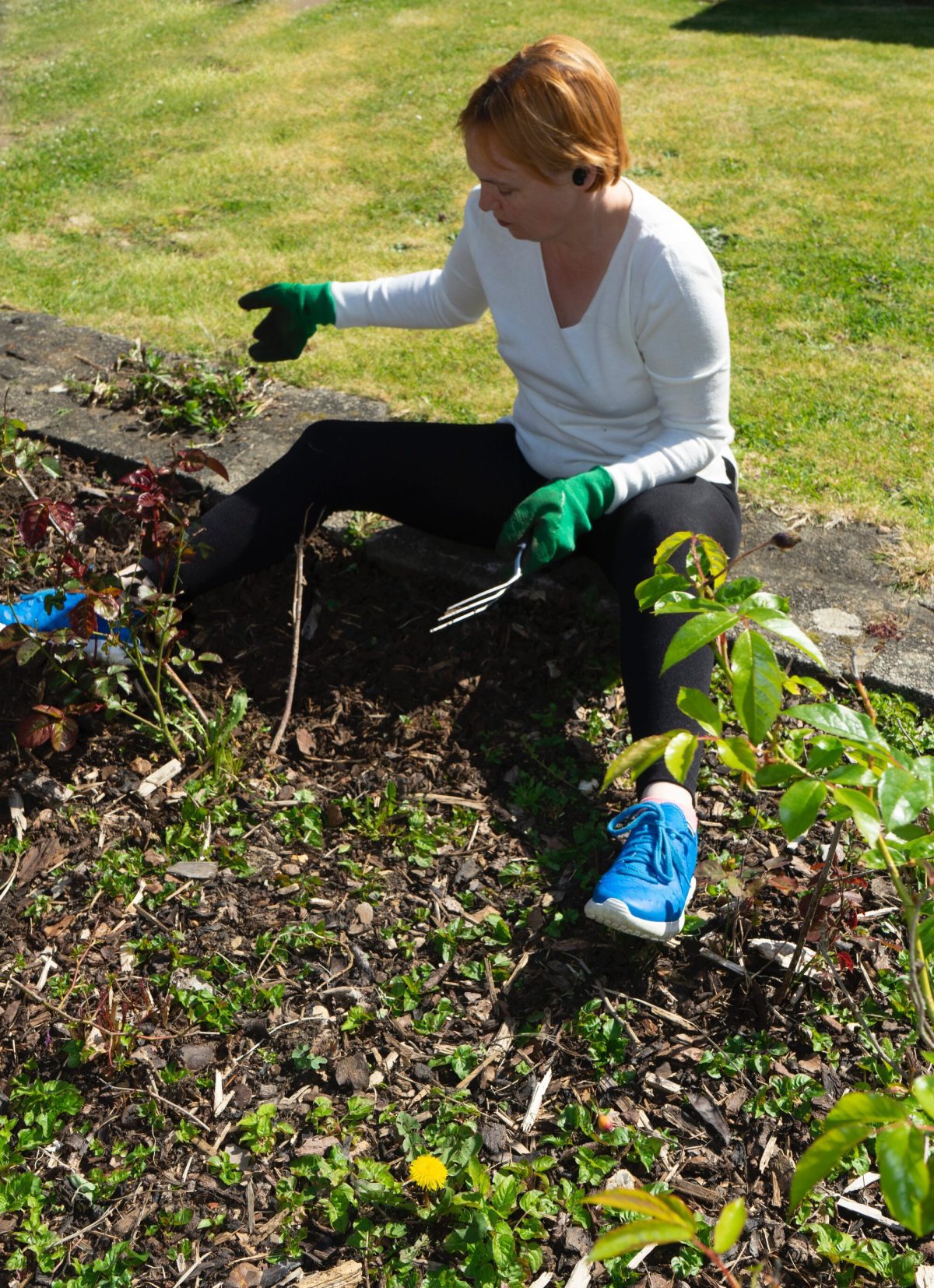
When it comes to weeds you need both a hands-on approach and a preventative approach.  

1. WEED REGULARLY

It’s essential to stay on top of the weeds and not allow them to get out of hand.  In particular, it’s critical to pull them out before they develop flowers and go to seed and produce the next generation of weeds.  

This is your hands-on approach and will require some manual work and time in the garden. So be diligent about pulling weeds up regularly and you will save yourself a lot of work in the long run.

2. APPLY MULCH REGULARLY

Mulch is your best friend when it comes to gardening.  Mulch is so effective in blocking the sunlight weeds need to thrive and consequently, they will die off. 

When it comes to mulch a key factor to note is that you need to apply a layer that is thick enough.  If it’s too thin then it won’t help hold the weeds at bay.  As a result, you need to ensure that you apply a layer of mulch that is at least 5cm in thickness.

You can buy mulch from your local nursery.  Alternatively, you can also use bark chips, grass clippings, dried leaves or straw.

Applying mulch generously and regularly is the most effective preventative approach you can take to control weeds.

A veggie garden is such a joy.  Aside from being a relaxing hobby, it’s also an excellent way to cut costs on food.  In addition, it’s the best way to eat fresh, organic veggies at a fraction of the cost of what you will pay in the shop.

Happy gardening!

Contact us today for water filtration, and solar energy quotes!

Categories
Veggie Gardening

THE BENEFITS OF GROWING A VEGGIE GARDEN

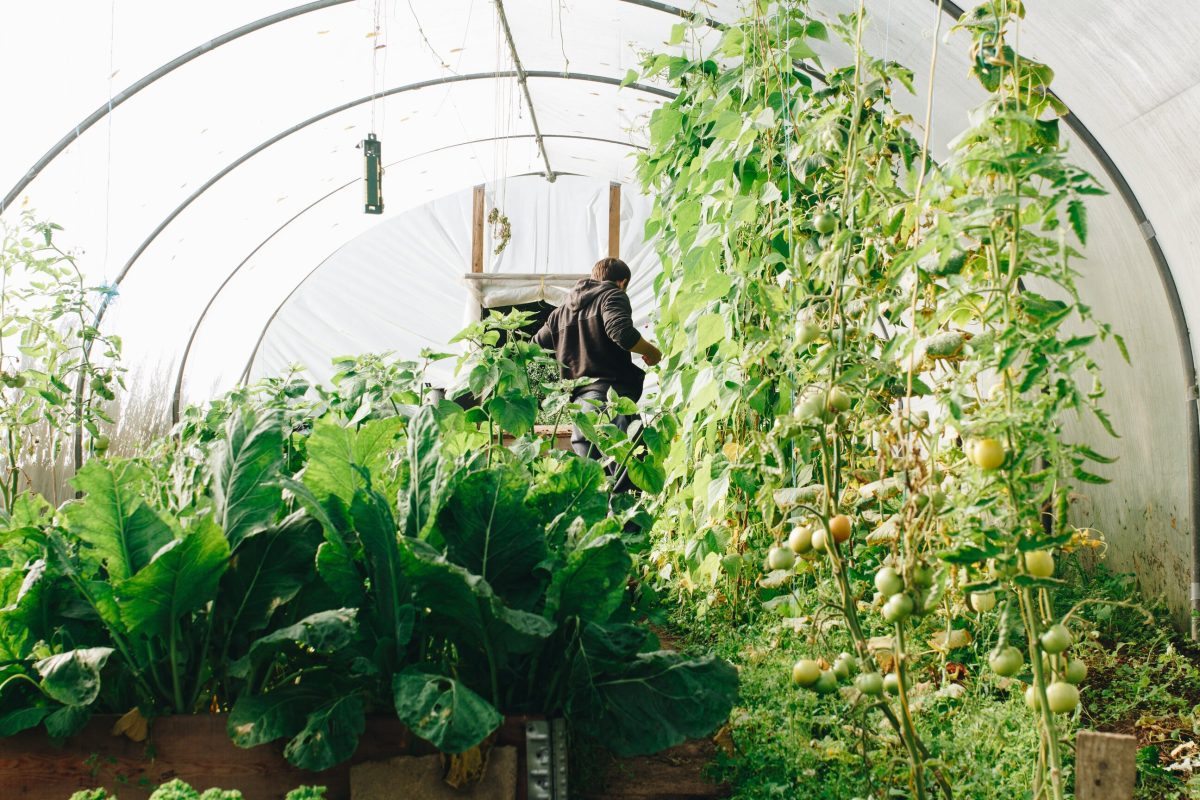
Starting your own veggie garden is easier than it seems.  And once it’s established, you will enjoy delicious, fresh, organic veggies straight from your own garden!  That’s such a win-win.  Let’s look now at the benefits of growing a veggie garden.

1. IT’S GOOD FOR YOUR HEALTH

Eating garden-fresh, organic veggies is excellent for your health.  When you grow your own veggies, you can know that what you are eating is pesticide-free. 

In addition, because you add compost to your soil you can be sure that your soil is living soil, chock full of nutrients that will be absorbed into your body.

Working in your garden also exposes you to vitamin D which increases your calcium levels.  This strengthens your bones and immune systems.

2. YOU GET EXERCISE

A veggie garden will need regular weeding and tending.  Working in your garden is an excellent way to give your body some gentle exercise.  This is also a significant health benefit!

3. YOU CAN SAVE MONEY ON YOUR GROCERIES

You can save money on your grocery bill by growing some simple basics in your garden.  Veggies like tomatoes and spinach grow with minimal effort and herbs like basil and rocket grow easily too.  

4. IT’S AN EXCELLENT STRESS-RELIEVER

There’s no better way to lift your mood than to work outside in your garden in the warm sunshine.  It’s a time when you can release stress and feel rejuvenated again.

5. YOU ELIMINATE THE NEED FOR PLASTIC WRAPPING

Eating veggies fresh from your garden means you eliminate the need for the plastic packaging used with store-bought veggies. This is a real bonus when it comes to protecting the earth and living in a sustainable way.  We need this now more than ever considering the state of the earth.

There are so many benefits to growing your own veggies.  Why not consider starting your own veggie garden today?

Contact us today for water filtration and solar energy quotes!