Categories
Uncategorized

HOW DOES USING SOLAR HELP THE ENVIRONMENT?

We live in a time marked by concerns about the environment and how we are treating it. As a result, there’s a strong drive towards living in such a way that we conserve the earth.  As such sustainable energy sources are becoming a priority and solar power has emerged as an excellent option. Aside from the obvious financial benefits of using solar power, there are also numerous environmental benefits. But how does using solar help the environment? Read on!

1. REDUCTION IN GREENHOUSE GAS EMISSIONS

One of the main environmental benefits of Solar energy is that it can significantly reduce greenhouse gas emissions. Solar panels generate electricity without releasing harmful pollutants, such as carbon dioxide and sulfur dioxide. This has an impact on global warming and air pollution.

2. CLEAN AIR AND IMPROVED HEALTH

Solar energy contributes to cleaner air by reducing the need for burning coal, oil, or natural gas.  As a result, fewer pollutants are released into the air which reduces respiratory and cardiovascular problems. As a result, this leads to better health for people, 

3. PRESERVATION OF WATER RESOURCES

Solar energy systems do not require vast amounts of water for cooling purposes. As a result, this reduces water consumption and alleviates the strain on local water supplies, contributing to water conservation efforts.

4. LOWER CARBON FOOTPRINT

Lower Carbon Footprint: Solar panels have a relatively low carbon footprint when considering their entire lifecycle, from manufacturing to disposal.

5. ENERGY INDEPENDENCE

Solar energy allows you to become energy-independent. You can do this by incorporating solar power according to your budget (like with a solar geyser) or you can go fully off-the-grid. Whichever way you choose to incorporate solar power you will be reducing your reliance on fossil fuels. As a result, you will have a certain amount of energy independence and if you go off-the-grid you will be fully energy-independent.

As you can see solar power is an excellent investment and overall so beneficial to the environment.  That’s a real win-win!

Contact us today for a solar power quote!

Categories
Uncategorized

HOW DO SOLAR PANELS WORK?

Living off-grid in a self-sustaining way is a goal more and more people are moving towards.  One of the key elements of living like this is solar power.  Solar power harnesses the energy of the sun with the help of solar panels to produce energy.  But how do solar panels work? Read on!

Solar panels are also known as photovoltaic (PV) panels.  They contain cells that are made of semiconducting material, typically silicon. When sunlight hits these cells it excites the electrons. As a result, an electric current is generated. This direct current (DC) is then converted into alternating current (AC) by an inverter, which is suitable for use in homes and businesses.

The energy crisis in South Africa has literally left us sitting in the dark. As a result, we have now had to start looking at alternative energy solutions. In short, solar power has become an answer to this crisis.  While it is true that solar power can be pricy it’s ultimately something we all need to move towards in whatever capacity we can. 

Thankfully, we live in a country that gets plenty of sunshine so solar power is definitely an option for us.  The initial investment to get set up with solar power is so worth it because it will give you a more reliable energy supply and will also help you save money on your energy bill.  

Let’s take a look now at some of the benefits of solar power:

THE BENEFITS OF SOLAR POWER

  • It takes the stress out of load-shedding
  • Solar power is environmentally-friendly
  • It saves you money on your electricity bill
  • It increases the value of your property
  • Solar power is low maintenance
  • Solar power is sustainable energy

As you can see solar power comes with many great benefits!

Contact us today for solar energy, water filtration & water tank quotes, Cape Town!

Categories
Uncategorized

WHAT IS AQUAPONICS?

When you think of growing veggies you often think of growing them in soil.  But you can grow veggies in other ways too.  We’ve looked at hydroponics which involves growing plants in water but you can also grow them with aquaponics. So what is aquaponics? Read on!

Aquaponics is a way of growing plants in water with the help of fish.  There is a symbiotic relationship between the fish and plants.  The fish provide the nutrients the plants need and in turn, the plants clean the water for the fish.

Aquaponics is suitable for some types of vegetables.  However, not all veggies grow well this way.  The following are some of the most popular and easy-to-grow veggies and herbs with aquaponics:

  • Tomatoes
  • Leafy lettuce
  • Watercress
  • Peppers
  • Cucumbers
  • Cauliflower
  • Cabbage
  • Strawberries
  • Ginger
  • Basil
  • Kale
  • Beans
  • Egg plant

Let’s look at the pros and cons of Aquaponics.

THE PROS

  • It is water-efficient
  • It is pesticide free
  • It’s environmentally friendly

THE CONS

  • The initial set-up cost for the system can be expensive depending on the type of system you install
  • You can be limited in what you’re able to grow
  • Electricity consumption can become pricy

As you can see, this way of growing veggies comes with both pros and cons. However, it is an effective way to grow veggies and well worth exploring.

It’s important to note that different systems can be designed for aquaponics. However, every system will need 3 essential components. These are fish, plants and bacteria. In addition to this you will also need: a fish tank, grow bed, pumps and plumbing.

It’s becoming increasingly important to live in self-sustaining ways that are environmentally friendly.  Growing your own veggies is a good step towards being self-sustaining.  And it’s so good for your health to eat organic food too! A real win-win!

Categories
Uncategorized Water Filtration

WHAT IS REVERSE OSMOSIS?

It’s essential to have access to clean drinking water.  This is especially true for off-grid living. As a result, it’s crucial to consider water filtration. When it comes to water filtration reverse osmosis is often a popular choice.  But what is reverse osmosis?  Read on!

Reverse osmosis is a water filtration technique. It will generally remove iron, salt, minerals, and harmful bacteria from your water. It does this by forcing the water through a semi-permeable membrane under high pressure. As a result, only water molecules are able to pass through. Consequently, everything else is restricted from passing through the membrane.

WHAT TYPES OF MEMBRANES ARE USED IN REVERSE OSMOSIS?

There are 3 types of membranes that are used in reverse osmosis. These are:

  • A Tap water membrane
  • A Brack water membrane
  • A Desalination water membrane

For normal household filtration, either a tap water membrane or a brack water membrane should be effective.

As an additional measure, the water should also be treated by chlorination or UV lights. This is to prevent the spread of harmful bacteria.

If you are moving towards off-grid living then securing a clean source of drinking water is essential.  Many people consider drilling a borehole when they think about off-grid living.  This is an excellent first step however, hand in hand with this goes water filtration

Let’s take a look now at the benefits of water filtration.

  • Safe and clean drinking water
  • Pleasant-tasting drinking water
  • Healthy cooking
  • You can save money
  • Protect your plumbing and appliances
  • It helps protect the environment
  • It helps prevent skin irritations

Water filtration comes with some great benefits. You will need to take a water sample and have it water tested. Thereafter a water filtration system will be designed according to your needs.

Contact us today for a water filtration quote, Cape Town!   

Categories
Uncategorized

WHERE DO I START WITH VEGGIE GARDENING?

It’s so rewarding growing your own veggies! As such, it’s more than worth it to invest the time and effort into establishing your own veggie garden.  We’ve looked at the benefits of having a veggie garden in our previous blog but you may be wondering, “Where do I start with veggie gardening?”  Read on!

1. PREPARE YOUR PLANT BEDS

Before you start planting you need to prepare your plant beds.  It’s crucial to prepare them well because healthy plants need soil with enough nutrients.  They need living soil.  And this is provided through the way in which you prepare your beds.

There are different ways in which to prepare your plant beds:

SINGLE DIGGING

This involves turning the soil over to a depth of 30cm.  However, this method is best suited where the soil is deep and fertile and not too compacted.

DOUBLE DIGGING

Double digging means that soil is dug out to a depth of 30cm and then placed next to the bed.  The soil at the base of the bed is then loosened to a further depth of 30cm with a garden fork.  Now a layer of compost is added to the bed and any type of organic material.  Lastly, this is covered with the soil you removed and placed next to the plant bed.  This method is quite labour-intensive.  

SHEET MULCHING

Sheet mulching involves layers of mulch and organic material being placed on top of the ground.  Over time this breaks down to form beautiful, nutritious soil for your veggies.  Bear in mind, however, that this method requires time to stand before planting.  This is so that the material can break down and decompose and form the soil needed for your plants.

Before you begin the layering process be sure to thoroughly water the soil where you plan to make your bed.  Once this is done cover the area with cardboard or newspaper.  Be sure to cover the area thoroughly and use a thick layer of cardboard and newspaper (even up to 8 layers) to ensure no soil is sticking out.  This is to make sure weeds are not able to grow through this layer.

Now add a layer of brown mulch.  This should be about 10cm thick.  Brown mulch refers to shredded bark, wood chips, twigs, sticks and dried leaves.  

Now add a layer of green mulch (grass clippings), then a layer of brown mulch and another layer of newspaper or cardboard.  On top of this add compost and then a layer of soil.  Continue layering in this way.  

Add a layer of compost and then end off with a nice, thick layer of mulch.

TRENCHING

Trenching is similar to sheet mulching.  You layer in the same way as sheet mulching but the difference is that you need to dig a trench.

Once again you remove the top layer of soil (called topsoil) and place it next to the trench.  Dig up the bottom of the trench with a garden fork to loosen the soil.  

Now add a layer (20cm) of sticks and brown organic material and you can even add some tins.  Make sure though that the tins are not aluminium. You can test this with a magnet.  If the magnet sticks then it is tin.  

Your next layer should be cardboard and dried leaves.  To this add a layer of greens (vegetable peels, weeds).  Each layer should be 20cm.  

Add a layer of compost now and water deeply.  Then add some soil.  To this you can now add a layer of wet newspaper.  And more soil again.  

Continue layering in this way and finally end off by adding your layer of topsoil.  To this add a layer of compost and finally apply a layer of mulch.

As you can see preparing your garden beds must be done thoroughly to ensure you have living, nutrient-rich soil for your plants.  This is important to keep them flourishing and to get a good harvest.

2. PLANTING

Once your plant beds are prepared you can start planting.  You can choose to plant seeds or seedlings.  There are pros and cons to both, however, remember that if you choose seeds, always buy organic or heirloom seeds.  This way you will be able to harvest the seeds from your plants to replant.  You are not able to do this with hybrid seeds.

It’s also important to choose what to plant according to a planting chart.  A planting chart will show you which vegetables to plant in which months of the year.  A helpful planting chart can be found here.

3. REGULAR WATERING

Your veggie patch can not thrive without regular watering.  When it comes to water it’s important to remember to water early in the morning or in the evening.

In addition, it’s important to water for a longer period of time to allow the water to really soak down deep into the soil.  

4. WEEDING

It’s important to keep on top of the weeds.  A tip to remember is that you need to weed regularly.  Also, be sure to pull the weeds up before they go to seed and produce the next generation of weeds.

Another excellent tip to remember is that mulch is your best friend when it comes to weeds.  Applying a thick layer of mulch (at least 5cm) ensures that the weeds don’t get sun and consequently aren’t able to grow.  

It will take a bit of prep getting your veggie garden up and running but it’s absolutely so worth it! 

Categories
Uncategorized

WHAT IS A WATER FILTRATION SYSTEM?

You may have heard of the term “water filtration system”.  But what exactly is a water filtration system? A water filtration system refers to a system that filters out pollutants in water.  As a result, pollutants like particles, sediment, harmful chemicals, and bacteria are filtered out. Consequently, the water is usable for drinking and/or household use.

WHY IS WATER FILTRATION IMPORTANT?

In Cape Town, we often struggle with the quality of our tap water.  And from time to time we get warnings from Council to boil our tap water before use. This is due to contamination.  

As a result, it’s essential to consider water filtration for your home.  Pollutants can occur in our tap water through things like load-shedding which can affect the running of the water treatment plant.

IS WATER FILTRATION NECESSARY WITH BOREHOLE WATER?

If you are using borehole water then it’s essential to do a water analysis test on your water.  The type of water filtration you need will depend on the results of your water analysis test and what you intend to use the water for.

It’s important to note that borehole water can become contaminated.  This can happen in the following ways:

  • Unsealed borehole cover
  • Incorrectly sealed borehole casing can lead to polluted water entering the aquifer
  • A nearby source of contamination (septic tank etc)

Contamination of your borehole can occur in various ways which is why it’s important to test your borehole water from time to time to ensure the quality of your water.

The water filtration option you need will be based on what you will use the water for.  If you are wanting to use your water for drinking water then you will need to filter it for all of the options mentioned below. 

If you will only use it outdoors then you would only need to address some of the factors.

WHAT OPTIONS ARE AVAILABLE FOR WATER FILTRATION?

The following are some of the options available for water filtration:

  • Sediment filtration 
  • Iron removal 
  • Bacterial control 
  • pH control 

Let’s take a closer look now at each of the options.

1. SEDIMENT FILTRATION

A leaf beater contains a sieve and this can be positioned just beneath the downpipe of your water tank.  Consequently, leaves and other debris from your gutters are trapped before reaching the water in your tank. 

The sieve lies at a 45-degree angle. This enables the water to flow through the sieve and into the tank while the leaves wash away.  Any coarse sediment exceeding the size of the sieve is washed off along with the leaves.

Small microparticles of sediment are able to slip through the sieve and into the water. However, a Big Blue Filter is attached to deal with this.

WHAT IS A BIG BLUE FILTER?

A Big Blue filter consists of 3 filters.  It has two sediment filters and one carbon block filter.  The two sediment filters have different-sized filters. The first one has a 10-micron filter and the other has a 1-micron filter. 

Filters are measured in microns.  A micron is defined as “a unit of length equal to one-millionth of a metre”  To give you a visual of the size of microns consider that a particle of dust is roughly the size of 1 micron.

The two sediment filters remove unwanted sediments like algae, rust, sand, and mud effectively.

Between these 2 sediment filters lies a middle-sized filter. It contains an activated carbon block.  This removes odours from the water and chlorine. Additionally, it also assists with filtration. This filter will improve the odour, colour, and taste of your water.

Water flowing through these filters is treated for odours and fine sediment.

The Big Blue filter has a flow rate of around 2720 litres per hour.  The filter cartridges of the Big Blue will need to be replaced every 6 months or when the water pressure drops. 

You can also use AFM filters to deal with Sediment. These filters contain glass that is manufactured to the optimum particle size and shape. The water is pushed through this glass media and sand, sediment, dirt, and rust are trapped and removed from the water.  

The glass media filters the water down to 3 microns and does not need to be replaced continually. This is because it can be back washed and cleaned.

2. IRON REMOVAL AND BACTERIAL CONTROL

Reverse osmosis will generally remove iron, salt, minerals, and harmful bacteria from your water.  With reverse osmosis water is forced through a semi-permeable membrane under high pressure.  Consequently, only water is able to pass through. Everything else is prevented from passing through.  

There are 3 types of membranes that are used in reverse osmosis.  These are:

  1. Tap water membrane
  2. Brack water membrane
  3. Desalination water membrane

For normal household filtration, either a tap water membrane or brack water membrane should be effective.  

As an added measure the water should also be treated by chlorination or UV lights to prevent the spread of harmful bacteria.  

3. pH LEVEL CONTROL

Borehole water that has a pH level of less than 7 is acidic. Consequently, it needs to be corrected.  This is because it can cause staining and corrosion and wouldn’t be safe for consumption.  

pH levels that are too acidic can be corrected. This is done by using a corrosion-resistant chemical feed pump. Consequently, sodium hydroxide solution is released into the water. As a result, this helps to neutralize the water.

Water filtration is essential these days.  As a result, it’s important to have a water analysis done on your water. Then the correct water filtration system can be installed. As a result, you protect your health and drink clean water.  There are so many great benefits to water filtration. It’s so worth it!

Contact us today for water filtration, solar energy and insulation quotes!

    Categories
    Uncategorized

    WHAT ARE THE BENEFITS OF INSULATION?

    Insulation is essential in every home. Homes in warmer environments need to be kept cool and homes in cooler environments need to be warmed.  As a result, to keep your home at regulated temperatures insulation is essential.  Let’s take a closer now at some of the benefits of insulation.

    1. IT REGULATES YOUR HOME TEMPERATURE 

    As mentioned above, without insulation our homes would either be freezing cold or too hot.  Neither of these options is comfortable or ideal.  This is where insulation is essential because it regulates the temperature of your home.  

    But how does it work exactly? Insulation has two properties.  Firstly, like a blanket, it stores heat within your home so that heat cannot escape. This is critical in colder seasons when you need your home to be toasty warm. Additionally, it also acts as a buffer preventing outside heat from entering your home.  Consequently, this helps your house remain cool.  This is essential in the warmer months when temperatures are soaring.  As a result, these two-fold properties make insulation essential for both warmer and cooler environments.  

    2. IT WILL SAVE MONEY ON YOUR ENERGY BILL

    Installing insulation means that you can reduce your heating/cooling energy use.   As a result, you will save money on your energy bill.  

    3. IT’S ENVIRONMENTALLY FRIENDLY

    The earth is in crisis and we need to do all we can to live in a way that is environmentally friendly. South Africa has now put laws in place to enforce that new homes being built must have adequate insulation.  This is because insulation allows you to reduce your carbon footprint.  By using a more environmentally friendly approach you are ultimately protecting the earth.

    4. IT PROTECTS OUR NATURAL RESOURCES

    When you have insulation it means natural resources don’t need to be used to supply the energy needed to heat or cool your home. As a result, it reduces the strain on our natural resources and lowers our dependency on fossil fuels.

    These are just some of the excellent benefits of insulation.  It’s well worth the investment and yields long-term effects.

    Contact us today for water filtration, solar energy and insulation quotes!
      Categories
      Uncategorized

      9 BENEFITS OF A SOLAR GEYSER

      Solar power is the best option these days. In particular, one of our most popular requests is a solar geyser. This is because it comes with so many benefits.

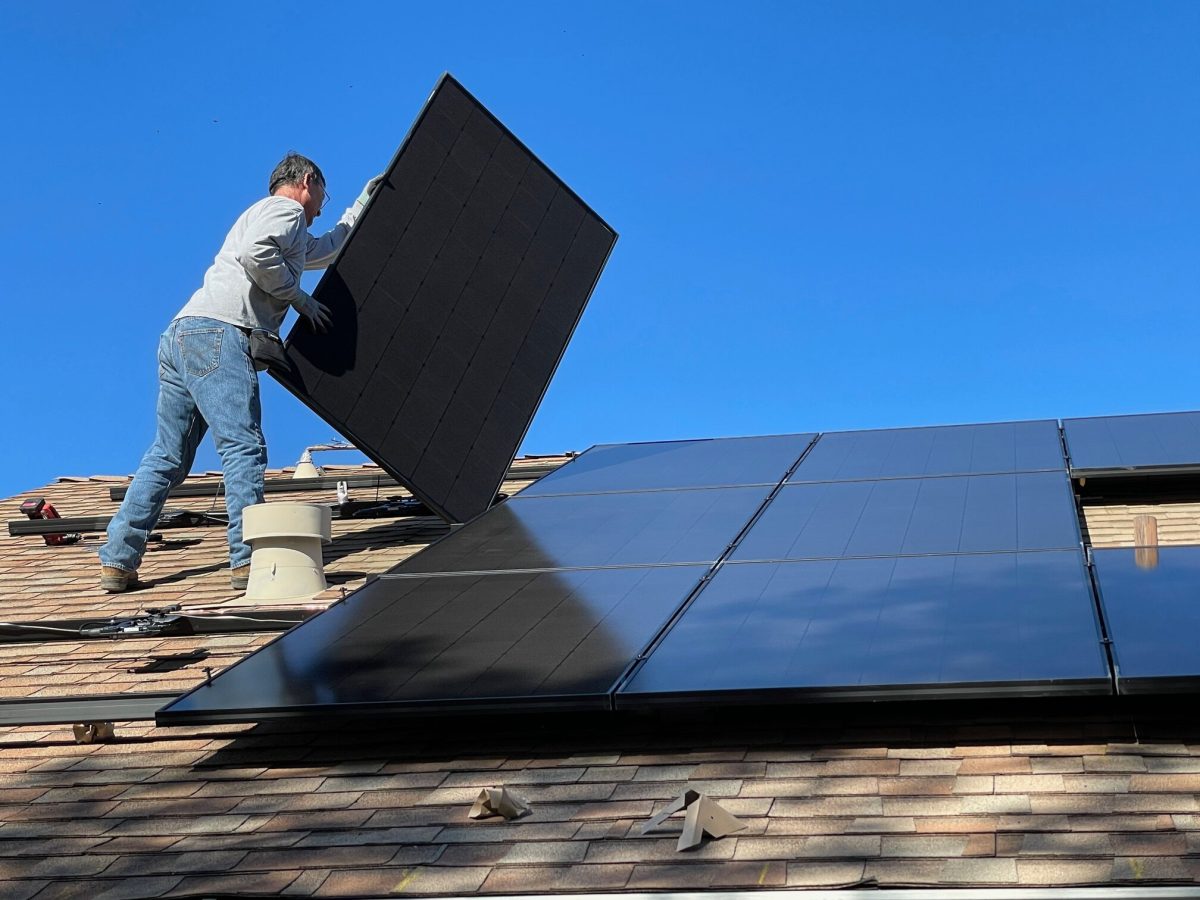
      But before we look at the benefits let’s explore what it is. A solar geyser is a water heating system that is fueled by energy from the sun. 

      The geyser is placed on a rooftop.  Consequently, it’s optimally placed to receive energy from the sun.  This is obtained either directly from the sun or through light-concentrating mirrors.

      Let’s take a look at its benefits now:

      THE BENEFITS ARE AS FOLLOWS:

      1. You don’t need to rely on electricity
      2. The energy used is renewable, free, and unlimited
      3. Immense savings on your electricity bill
      4. It heats the water very efficiently
      5. It’s environmentally friendly
      6. There is no use of fossil fuels
      7. It has zero-emission
      8. Provides a lower carbon footprint
      9. It is low-maintenance

      As you can see, a solar geyser provides amazing benefits.  

      But how exactly does it work? How is the water heated?

      HOW IS THE WATER HEATED?

      A solar geyser heats the water through convection. The water circulates through the system because of the warm water rising.

      To clarify, the water stored in the panels starts to heat up. As it does, it rises into the water tank on the roof or in the ceiling. Thereafter it moves into the cylinder.

      The cooler water in the tanks flows down into the absorber. Therefore, through convection, the water is heated and circulated.

      A solar geyser is an excellent investment! It brings so many benefits. Why not consider investing in your own solar geyser today?

      Contact us today for water filtration, solar energy and insulation quotes!
      Categories
      Uncategorized

      WHAT ARE HEIRLOOM SEEDS?

      If you have a veggie garden or are interested in starting one then chances are you have heard of Heirloom seeds.  But what exactly are Heirloom seeds?

      Heirloom seeds are seeds that have been handed down from generation to generation.  They are selected for having outstanding traits or flavours.  In addition, Heirloom seeds come from plants that have been open-pollinated.  This means that they are pollinated naturally through insects, the wind or birds. As a result, Heirloom seeds can be saved and replanted and resemble the parent plants.  Most importantly, Heirloom seeds are not hybrids or of a GMO variety.  

      ADVANTAGES OF HEIRLOOM SEEDS

      • They have more flavour and are more nutritious than hybrid seeds
      • Heirloom seeds cost less than hybrid seeds
      • You can save the seeds to replant

      DISADVANTAGES OF HEIRLOOM SEEDS

      • They don’t give as large a yield as hybrid seeds
      • Heirloom seeds are less resistant to disease
      • They produce a less predictable harvest

      Now that we have looked at what Heirloom seeds are and some of their advantages and disadvantages let’s explore other types of seeds.  Another option when it comes to seeds is hybrid seeds.

      WHAT IS A HYBRID SEED?

      A hybrid seed is produced through cross-pollinating plants.  This is done through hand pollinating different varieties of plant species.  The idea is to incorporate the best genetic traits of both parent plants in hybrid seed.  Consequently, a type of super seed is produced.  It’s important to note that Hybrid seeds are not GMO (genetically modified organisms).  

      Hybrid seeds have the following advantages and disadvantages. 

      ADVANTAGES OF HYBRID SEEDS

      • They are more disease resistant than other plants
      •  Hybrid seeds are stronger
      • They are more resilient
      • Hybrid seeds adapt better to stress

      DISADVANTAGES OF HYBRID SEEDS

      • Hybrid seeds are more expensive
      • They are less nutritious and less tasty than Heirloom seeds
      • Saved seeds may be sterile so you can’t always grow another crop
      • Saved seeds will not produce plants that are similar to the hybrid

      Now let’s take a closer look at what GMO (genetically modified organisms) seeds are.

      WHAT ARE GMO SEEDS?

      GMO seeds are seeds that are not produced naturally in nature.  Instead, they are produced in a laboratory using biotechnology techniques like gene splicing.  What this means is that scientists change a seed’s DNA to ensure it produces certain characteristics.  Consequently, GMO crops have had genes added to them.  This can be for reasons like pest resistance and improving their growth to name a few.

      By contrast, Non-GMO seeds are produced as a result of pollination.  This either happens naturally through open pollination (eg: Heirloom seeds) or by hand (eg: Hybrids). As such, both hybrids and Heirloom seeds are non-GMO seeds.  

      ADVANTAGES OF GMO SEEDS

      • They can produce more nutritious food
      • GMO seeds can produce tastier food
      • They can be more disease and drought-resistant
      • Fewer pesticides are needed
      • GMO seeds are more insect resistant

      DISADVANTAGES OF GMO SEEDS

      • Food grown from GMO seeds can cause allergic reactions
      • There is concern that there may be links between food grown from GMO seeds and cancer
      • GMO food can cause an increase in antibiotic resistance
      • Insect biodiversity is reduced because the crops are resistant to insects
      • The seeds are patented and controlled

      There is understandable concern around GMO seeds in terms of the health issues they are linked to and also the control of food.  GMO seeds have the ability to reproduce. However, farmers have to sign contracts with the seed companies agreeing not to harvest and replant their seed.   As a result, new seeds have to be purchased every season from companies (like Bayer) that control them. 

      As a result, this should be alarming to all of us.  Food is an absolute essential to life and as such is something that should never be controlled.  

      The very best thing we can all do is to become as self-sustaining as possible in terms of our water needs, energy needs and food.  

      Contact us today for water filtration, solar energy and insulation quotes!
      Categories
      Uncategorized

      10 THINGS YOU CAN DO TODAY TO PROTECT THE EARTH

      Without a doubt, the earth is in a terrible state.  As a result of the way we live and use our natural resources, we have truly put the earth into a crisis.  Consequently, issues like climate change have become the focus of the day.  It can truly feel so overwhelming as we hear about how the earth is struggling.  And all too often we become paralyzed.  We feel like the problem is insurmountable and that it can’t be addressed.  However, just the opposite is true.  Each and every one of us has a pivotal part to play in saving the earth.  Read on for 10 simple things you can do today to protect the earth!

      1. REDUCE YOUR WASTE

      We need to be mindful and aware of what we buy.  As far as possible, buy items in packaging that can be recycled.  Additionally, also try to buy fresh organic veg that is picked directly from the ground and don’t require packaging. 

      2. START A COMPOST HEAP

      A compost heap is absolutely essential if you have a veggie patch.  Additionally, it’s an excellent way to use up egg containers, newspaper, cardboard boxes, and toilet rolls to name a few.  Instead of putting these into recycling you can add them to your own compost heap and reap the benefits for your veggie patch.

      3. AVOID BUYING 5L WATER IN BOTTLES

      The quality of our municipal water is often in question.  Consequently, many people buy bottled water.  It’s true that these plastic bottles can be recycled.  However, a better option would be to install a carbon filter on your water tank or have a water filter for your kitchen sink.  This way you will have access to clean drinking water without having to buy plastic bottles of water.

      4. USE A REUSABLE SHOPPING BAG

      This may seem so simple but it makes so much difference.  Many shops now sell reusable material bags.  Using these instead of plastic shopping bags will cut down on these landing up in the dump.

      5. CHOOSE LONG-LASTING LIGHT BULBS

      When you buy light bulbs choose the energy-efficient light bulbs.  This is because they reduce greenhouse gas emissions.  If you have different light bulbs then consider changing those to energy-efficient ones. Additionally, it also helps to switch lights off when you’re not using a room.

      6. USE EARTH-FRIENDLY HOUSEHOLD PRODUCTS

      Choose earth-friendly household products wherever possible.  There are some great options out there like earth-friendly washing powder. Using these wherever possible helps us live in such a way that we don’t harm the earth.

      7. RECYCLE

      This should be second nature to us.  Recycle, recycle, recycle.  The first rule of thumb is to reduce our waste.  Thereafter whatever waste we have should be recycled.  If you have a compost heap and recycle on a regular basis then you should have very little rubbish that needs to go to the dump.

      8. CARPOOL WHEREVER POSSIBLE

      We need to look for opportunities to carpool wherever possible.  Every time we drive in our cars it contributes to air pollution.  Being aware of this will help us find opportunities to carpool or cycle instead of driving.  And ultimately this will help to reduce the air pollution that is damaging our planet.

      9. PLANT A TREE

      Such a simple idea, but so effective.  Trees help combat climate change and clean the air.  They also provide oxygen and food.  The more trees we can plant, the more we build and help our environment.  

      10. USE SOLAR POWER

      We all have different budgets, but in whatever capacity you can, choose to go solar.  A solar geyser, for example, is an excellent way to reduce your electricity consumption which is generated using fossil fuels.

      It takes a shift in mindset and awareness to live in an earth-friendly way.  Yet, as you can see it’s not as difficult as it may seem.  And if we all play our part the combined impact we will have will be substantial.  Now is the time to act! Become part of the Green Revolution. What are you doing to help save the earth today?

      Contact us today for water filtration, solar energy and insulation quotes!